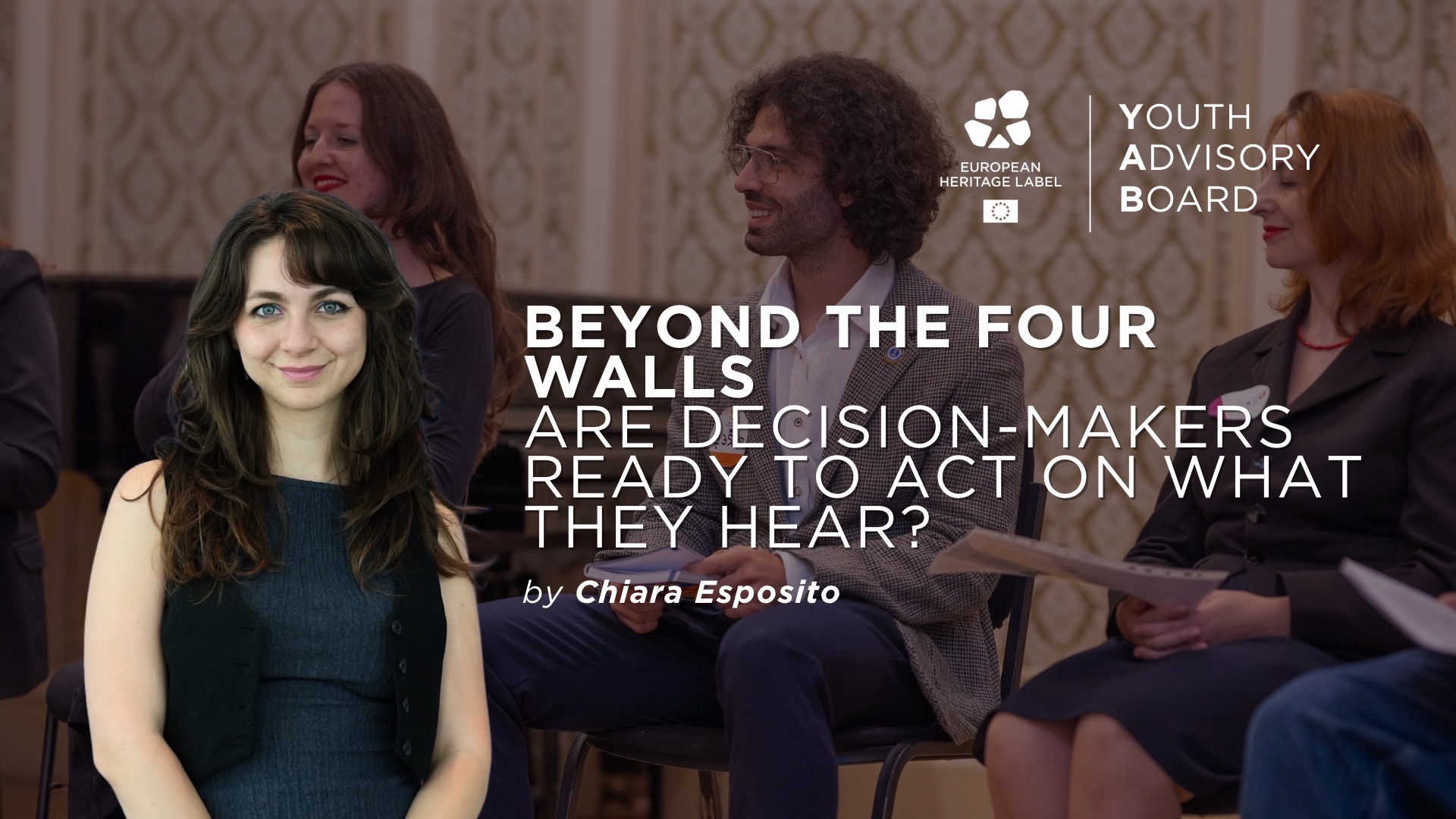
Beyond the four walls: Are decision-makers ready to act on what they hear?
An open door means little if you can’t reach it
There is a common misconception that young people simply aren’t interested in cultural heritage. When museum halls sit empty of younger demographics or local heritage projects struggle to find youth volunteers, it’s easy to blame a lack of curiosity or shrinking attention spans.
However, insights shared by young people tell a very different story. The curiosity exists. The problem is a systemic gap between that interest and the ability to take meaningful action. Young people are facing a complex web of barriers—from simple logistics to deep-rooted institutional attitudes—that keep them on the outside looking in. If we want to bring them into the cultural fold, we need to understand exactly what is keeping them out.
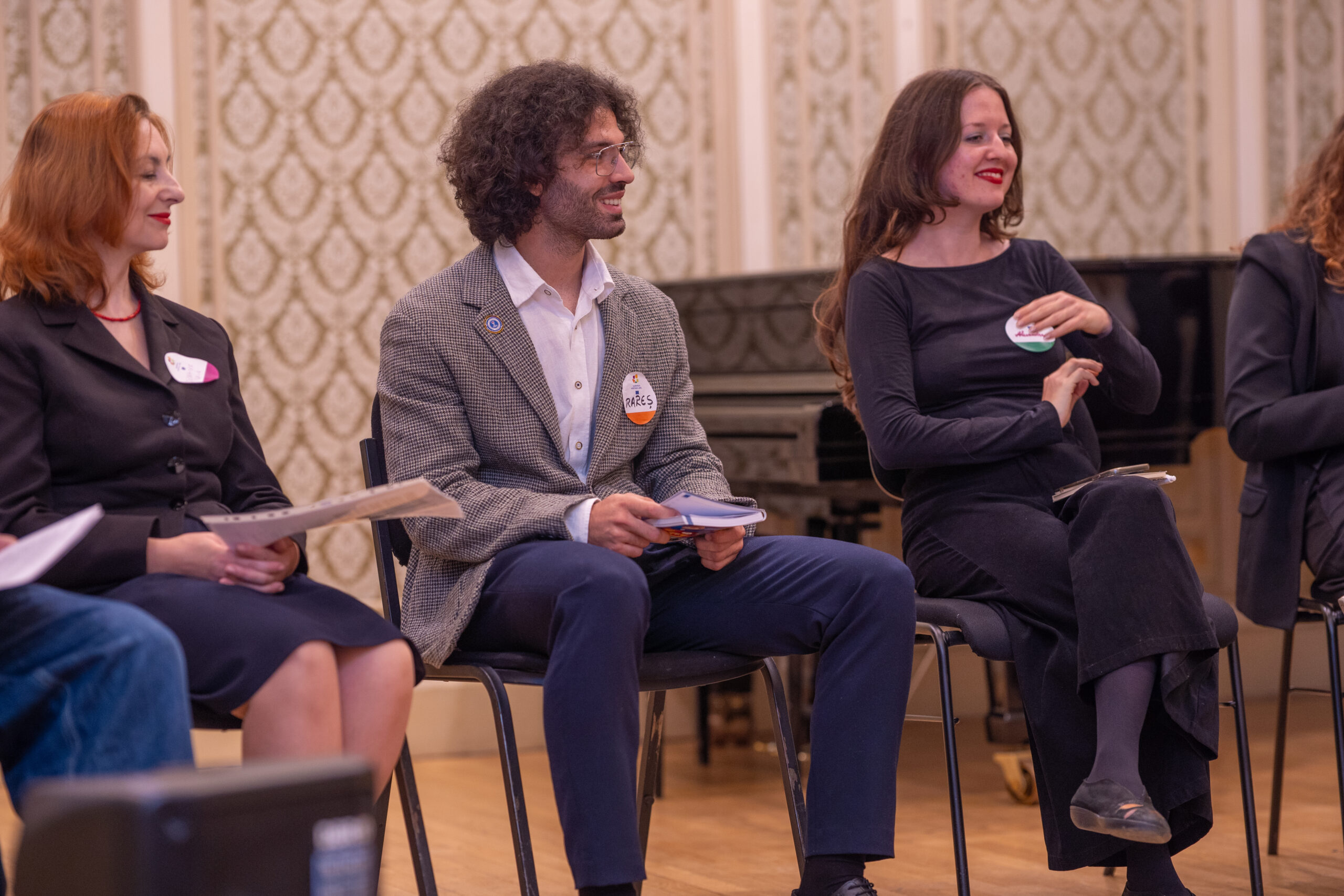
These reflections emerged through deep debates during a three-day youth event held in Romania as part of the EHL programme. Bringing together more than 50 young people from across Europe and rural areas of Romania, the event showcased a wide variety of perspectives and contributions. Yet, despite their diverse backgrounds, strikingly similar lines of difficulty quickly emerged.
Foremost among these are the practical walls: time, money, and geography.
Before we even look at how institutions communicate or operate, we have to acknowledge the baseline logistical hurdles. Cultural participation is often treated as a leisure activity, but accessing it requires resources that young people frequently lack:
- geography and mobility: geographical accessibility is a major barrier. Cultural infrastructure, events, and opportunities are overwhelmingly concentrated in larger urban centers. For youth in smaller towns or rural areas, weak public transport and sheer distance make engagement a physical challenge.
- financial constraints: when you combine geographical distance with the rising costs of travel—and the widespread reduction of student transport benefits—visiting a heritage site, let alone volunteering there regularly, becomes an expensive luxury.
- scarcity of time: time is a precious resource. Students and young professionals juggling education, early careers, and the pursuit of financial independence simply do not always have the practical bandwidth to participate, especially when cultural activities are not designed around their everyday lives and schedules.
Beyond these practical walls, other systemic issues further widen the gap.
Institutions have become remarkably adept at hosting youth roundtables and gathering feedback. Yet, almost invariably, young people report that their involvement begins and ends where decisions start and consultation without consequence is not power; filling out a post-event survey or joining an advisory panel after strategic plans and budgets are already locked is not real participation.
Here comes the Listener’s paradox where institutions repeatedly ask youth to care about youth engagement, while refusing to give them actual leverage over programming, narrative framing, or resource allocation.
This brings us to the core question: are the people with the power to make decisions actually prepared to act on what they hear? Because it takes a lot of effort to actually implement new ideas.
They take notes but most of the times nothing moves.
That’s because listening could be easy, but opening the door to co-governance requires ceding a little control. If traditional institutions genuinely want to bridge the generational divide, they must dismantle the internal barriers of their own governance.
This means move seat young representatives at the board table before agendas are set, not in focus groups after the fact but mostly commit to co-ownership with real budgetary authority.
And then connect engagement directly to paid, sustainable professional entry points to make that effort really sustainable.
The future of cultural heritage will not be saved by passive curiosity. Curiosity already exists. The urgent task is open the doors to authentic, shared decision-making.
Article by Chiara Esposito