Discovering Ancient Athens: The Acropolis Opens a New Chapter in its Accessibility
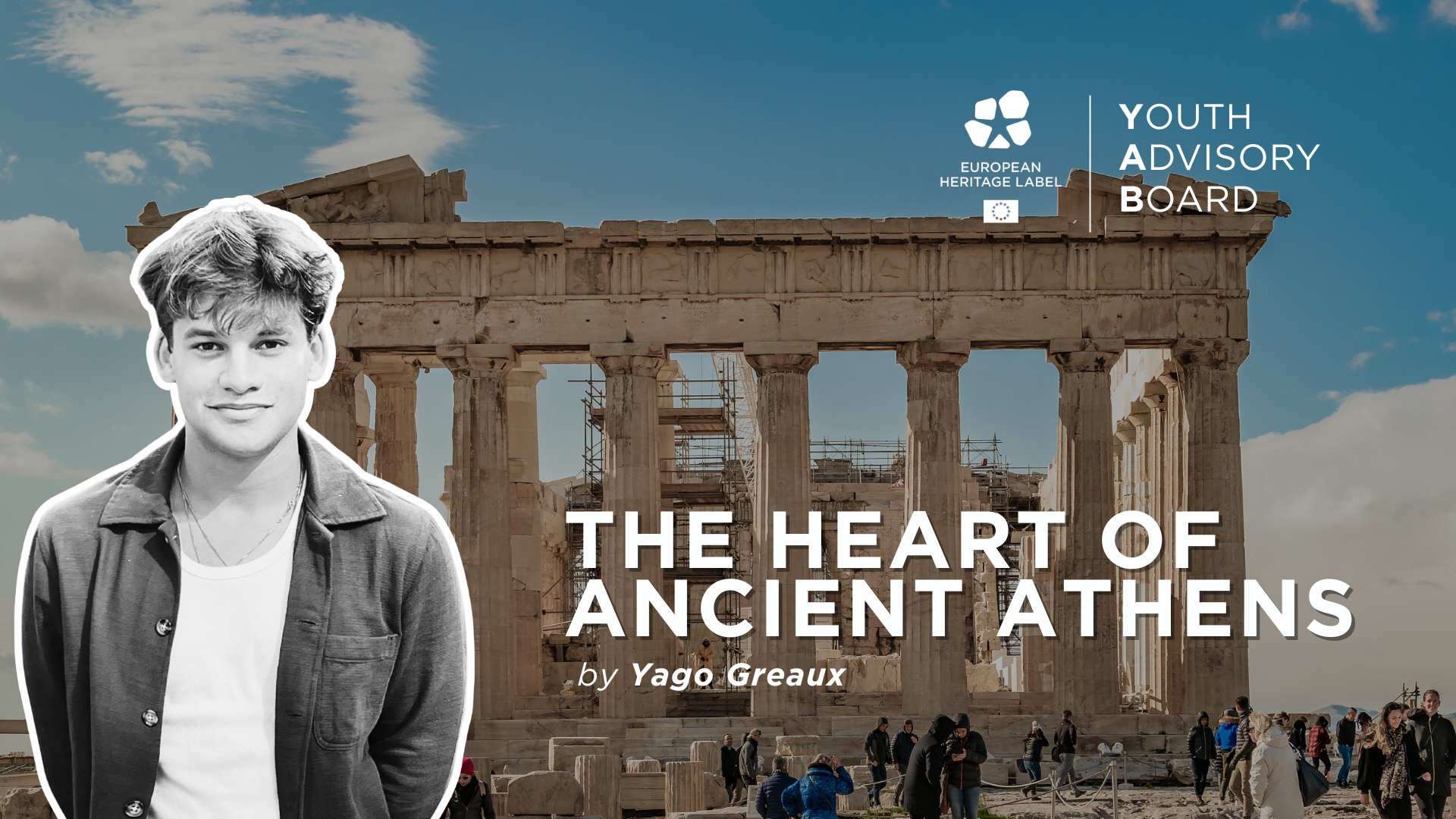


Long ago, the gods of Olympus shaped a rocky hill above Athens and crowned it with marble temples fit for immortals. Back then, humans approached the Acropolis with awe, sandals and probably absolutely no idea what “accessibility standards” meant.
But times change, even for legends.
When the Youth Advisory Board of the European Heritage Label visited on the 23rd of November, we half-expected Zeus himself to greet us with thunder. Instead, we got something far better. What, you ask? Only one of the warmest welcome in all of Greece, delivered by staff who have clearly mastered the ancient art of –pause for dramatic effect- hospitality.
Hermes could not have ushered us in more gracefully.
Athena, goddess of wisdom, would have approved of what came next.
Because let’s be honest, while there are ancient sites that sit quietly on their hilltops, perfectly content to be admired from a respectful distance, well that’s not the Acropolis. Here, you are greeted like family, with smiling staff waving us over as if we had just stepped off a mythical chariot rather than our very mortal legs.
“Welcome!” they said with the kind of pride usually reserved for heroic epics – so I’ve been told. I wouldn’t know much about those myself, but they explained how they want every visitor to understand the Sacred Rock.
And then they showed us a secret worthy of Hephaestus himself.
A creation forged not from bronze or gold but magical nonetheless: a tactile map of the Acropolis, crafted so visitors with visual impairments can trace temples, slopes and pathways with their fingertips. As we touched, we felt the rock shrink to the size of our palms. The slopes and stairways curled beneath our fingertips and for a moment, we felt like giants gently holding the world.
While I don’t claim to know what a modern divine gift would feel like, this certainly came close to it. Knowing that every visitor, including those with visual impairments, can experience the Acropolis as a physical reality, a world you can explore with your senses, your imagination and your hands.
In the myths, the gods were known for granting favours to a chosen few.
But in Athens today, the Acropolis grants access to everyone.
What’s the result?
A very very ancient site that keeps up with its times.
If the gods are watching from Olympus, they are probably nodding in approval.
After all, what better tribute to their legacy than a world where everyone can touch the stories they left behind?