Heritage at Risk: European Heritage Days at Provadia-Solnitsata’s
What happens to an archaeological structure once it has been excavated?
For European Heritage Days 2026, Provadia-Solnitsata turned this often-hidden question into the focus of a programme exploring what it takes to protect archaeological heritage more than 7,000 years old.
On 20 and 21 September, the European Heritage Label Site joined this year’s European Heritage Days theme, Heritage at Risk: Revive, Resist, Reimagine, inviting visitors to look beyond archaeological discoveries and explore the continuous work required to preserve them for future generations.
Looking beyond the excavation
During thematic tours, visitors discovered the history and significant finds of Provadia-Solnitsata while learning about a less visible side of archaeology: what happens after structures have been excavated, studied and documented.
Particular attention was given to the site’s stone defensive structures, prehistoric houses and salt-production facilities. Archaeologists and conservators introduced visitors to the challenges these remains face and the approaches used to protect structures that have survived for millennia but remain vulnerable to deterioration.
Rather than simply presenting these conservation challenges, the programme invited visitors to become part of the conversation.
Through “The Challenges of Preserving Provadia-Solnitsata”, participants received thematic cards addressing questions around the fortification walls, prehistoric houses, the presentation of ancient technologies and the future development of the site. At the end of the visit, they were invited to contribute their own ideas for how Provadia-Solnitsata could be preserved and presented in the future.
Younger visitors explored the archaeological complex through “The Hidden Finds of Provadia-Solnitsata”, following a young explorer’s map to search for images of archaeological objects hidden along the visitor route.
A dedicated European Heritage Label information corner also introduced visitors to the Label, explaining why Provadia-Solnitsata is part of the initiative and how its prehistoric heritage contributes to Europe’s shared cultural story.
When prehistory becomes something you can experience
The programme continued on 22 September with an Open Day that transformed Provadia-Solnitsata into a hands-on journey through prehistoric life.
Instead of simply observing archaeological objects, visitors could see, touch and try technologies used more than 7,000 years ago.
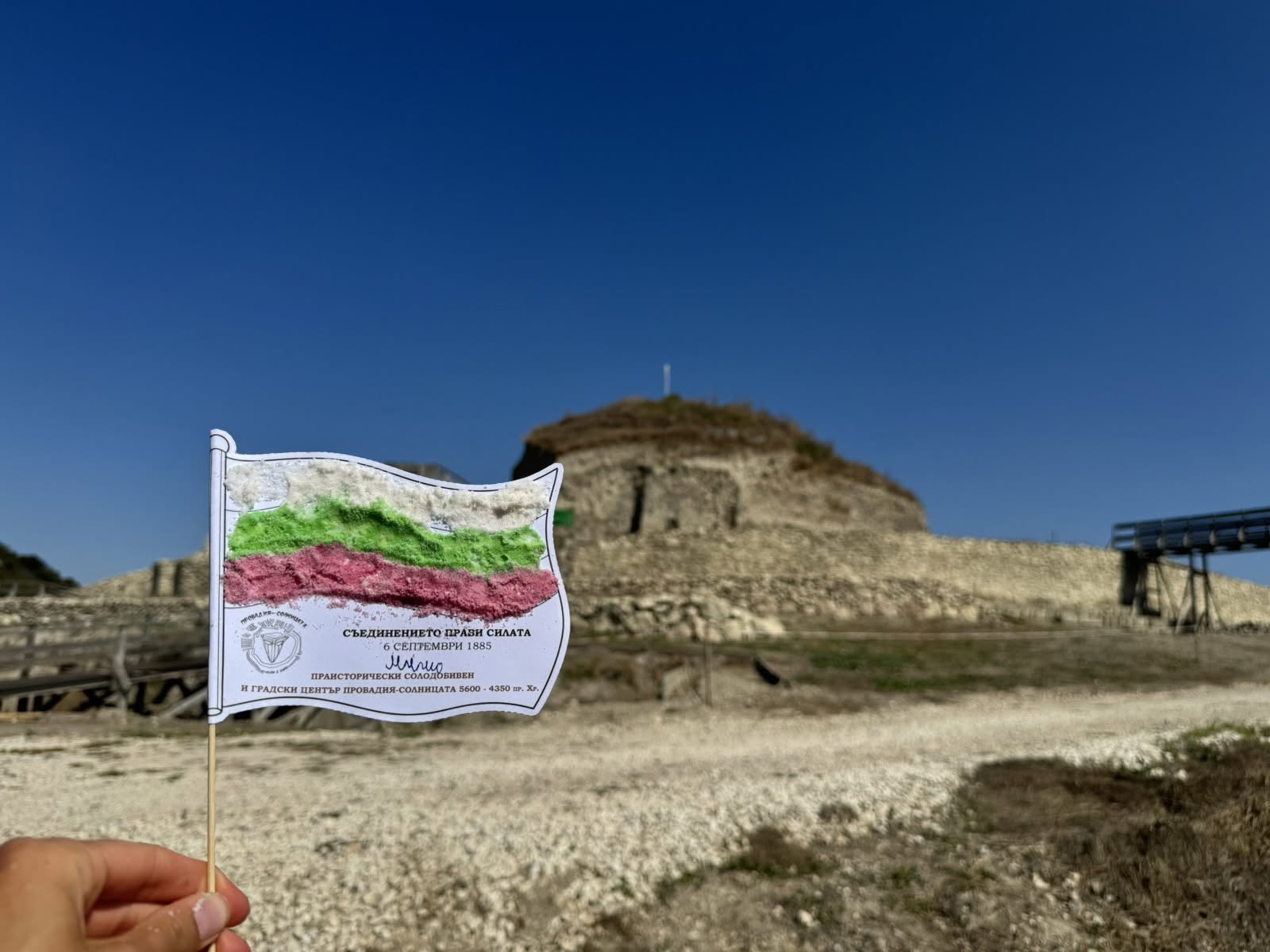
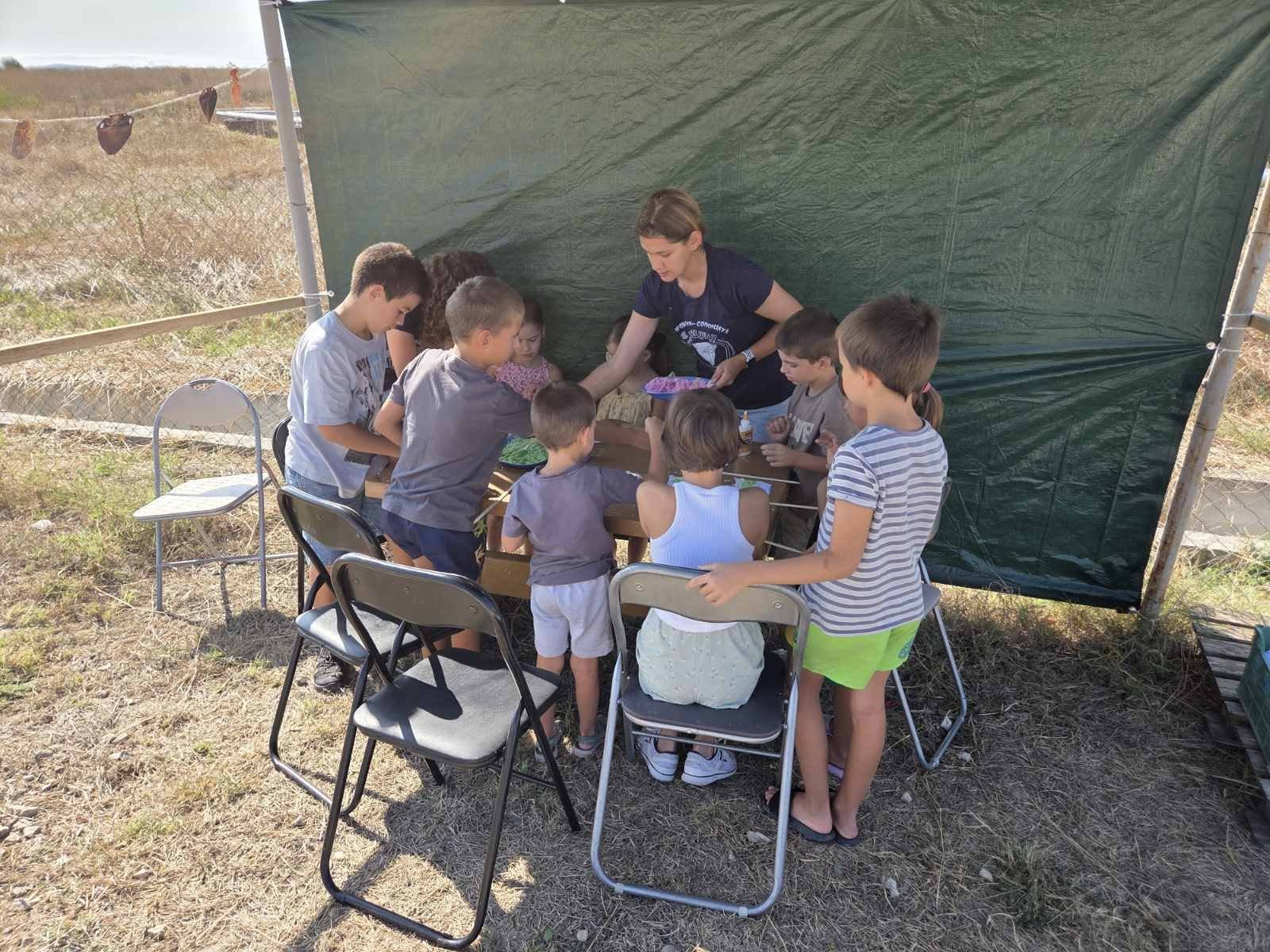
At the centre of the programme was the resource that shaped the settlement itself: salt. Visitors watched brine being boiled using ancient salt-production techniques, while children created models of prehistoric salt-production facilities and experimented creatively with salt.
Across different activity areas, visitors could grind grain using a prehistoric grinding stone, paint with natural pigments, observe weaving on a vertical loom and experiment with ancient rope-making techniques.
In the “Be an Archaeologist!” area, children searched for objects in an archaeological sandbox and discovered how fragmented pottery can be reconstructed through restoration. Linocut and sgraffito workshops offered further creative ways to engage with archaeological heritage.
Guided tours entitled “In the Footsteps of the Ancient Salt Producers” then brought visitors into the archaeological complex itself, connecting these activities with the remains of the settlement and its monumental stone fortifications.
Among the highlights were the three anthropo-zoomorphic “masks” discovered at Provadia-Solnitsata, giving visitors an opportunity to encounter some of the site’s most enigmatic archaeological finds up close.
From protecting heritage to passing it on
As a European Heritage Label Site, Provadia-Solnitsata also presented the “Europe Starts Here” information corner, connecting its local archaeological story with its wider European significance.
Together, the European Heritage Days programme and Open Day approached preservation from two complementary perspectives: understanding why archaeological heritage is vulnerable and giving people a reason to care about its future.
By opening conservation work to public discussion and allowing visitors to experience prehistoric technologies first-hand, Provadia-Solnitsata showed that protecting heritage is not only the responsibility of archaeologists and conservators.
Heritage remains alive when people can discover it, question it, experience it and take part in imagining what happens next.