Heritage of Hope: Exploring Europe’s Abolitionist Legacy at Torre do Tombo

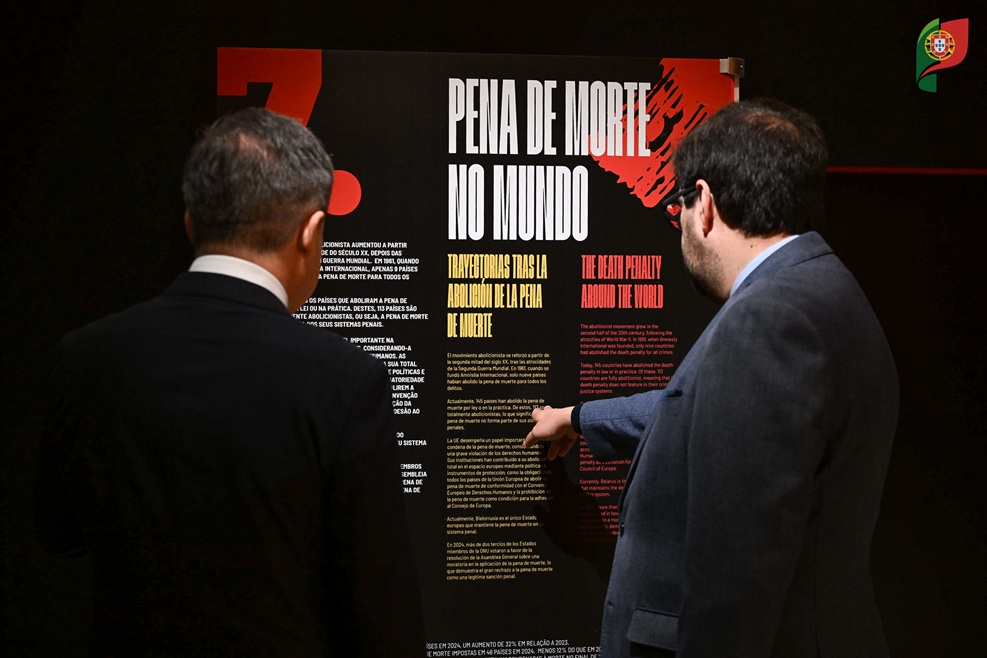



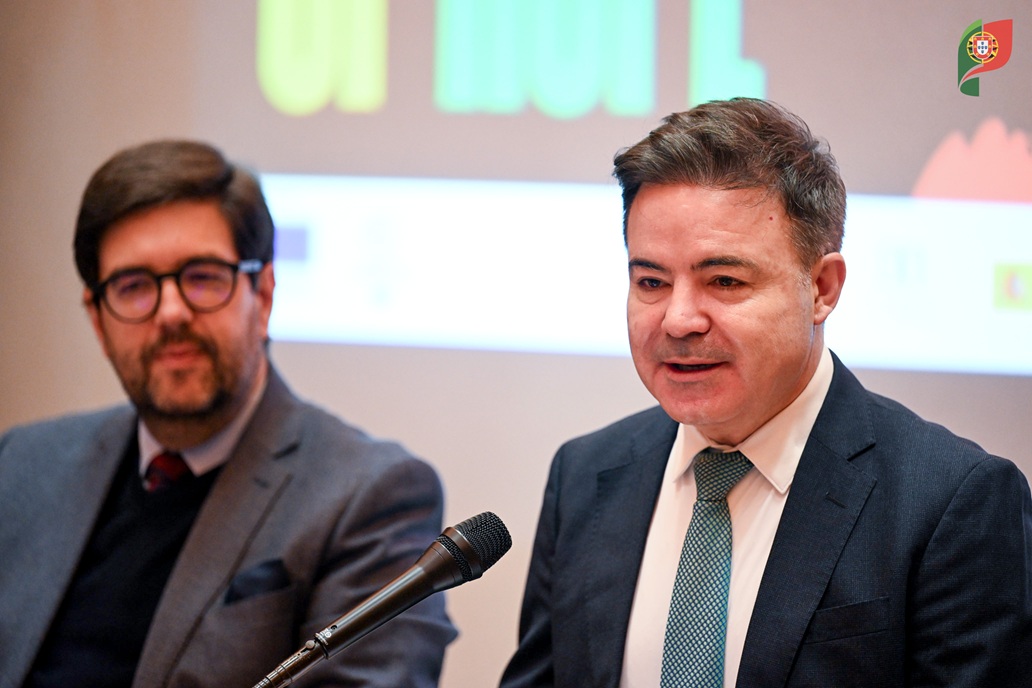


On 30 April 2026, the international conference “Heritage of Hope: The Abolitionist Legacy in Europe” took place at the Torre do Tombo National Archives in Lisbon, bringing together researchers, heritage professionals, public institutions and civil society organisations to reflect on one of Europe’s most significant human rights milestones: the abolition of the death penalty.
The conference was organised as part of the Heritage of Hope project, a collaborative initiative developed by three European Heritage Label Sites: the Portuguese site Abolition of the Death Penalty, the General Library of the University of Coimbra, and the Archive of the Crown of Aragon in Barcelona, Spain. Through a transnational and multidisciplinary approach, the project explores the historical trajectory of the abolition of capital punishment in the Iberian Peninsula and its broader European significance.
The initiative also benefits from the scientific coordination of ISCTE-IUL and the support of Amnesty International, reinforcing both its academic and civic dimensions.
The conference provided an opportunity to discuss the abolition of the death penalty from historical, political, legal and social perspectives, while also connecting this shared European heritage to contemporary debates on human rights and justice.
The keynote address was delivered by Marta Santos Pais on behalf of the International Commission Against the Death Penalty, an organisation founded in 2010 dedicated to promoting the global abolition of capital punishment. Her intervention highlighted the Commission’s work over the past decade and addressed important studies on the impact of the death penalty, particularly concerning children.
Throughout the day, experts from several European academic institutions — including the University of Brussels, Complutense University of Madrid, the University of the Azores, ISCTE and the University of Coimbra — explored themes such as the death penalty during the French Revolution, the abolition process in 19th-century Belgium, and the use of capital punishment during the Spanish Restauración period (1875–1914).
Participants also reflected on the impact of the death penalty on women and children, as well as on the role of activism in advancing the global movement towards abolition.
The event gathered around 70 participants, both in person and online, and featured opening remarks by the Portuguese Secretary of State for Culture and the Deputy Director-General of the State Archives of Spain.
By linking historical reflection with present-day challenges, Heritage of Hope highlights the role of the European Heritage Label in fostering dialogue, promoting shared European values and contributing to the construction of a conscious and united European citizenship.