Intergenerational Climate Conversations: What defines Sagres today that future generations should know?
What defines Sagres today that future generations should know?
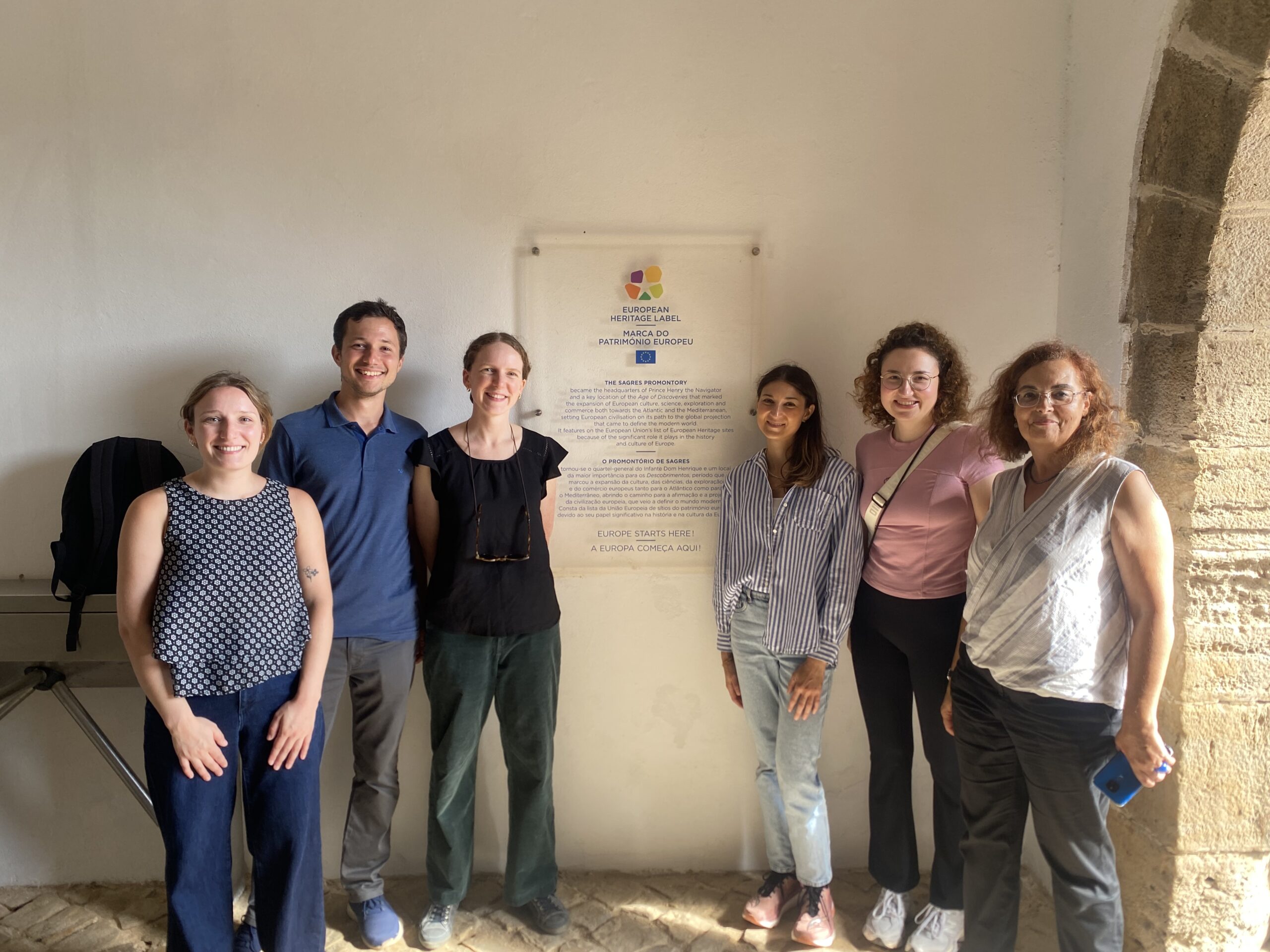
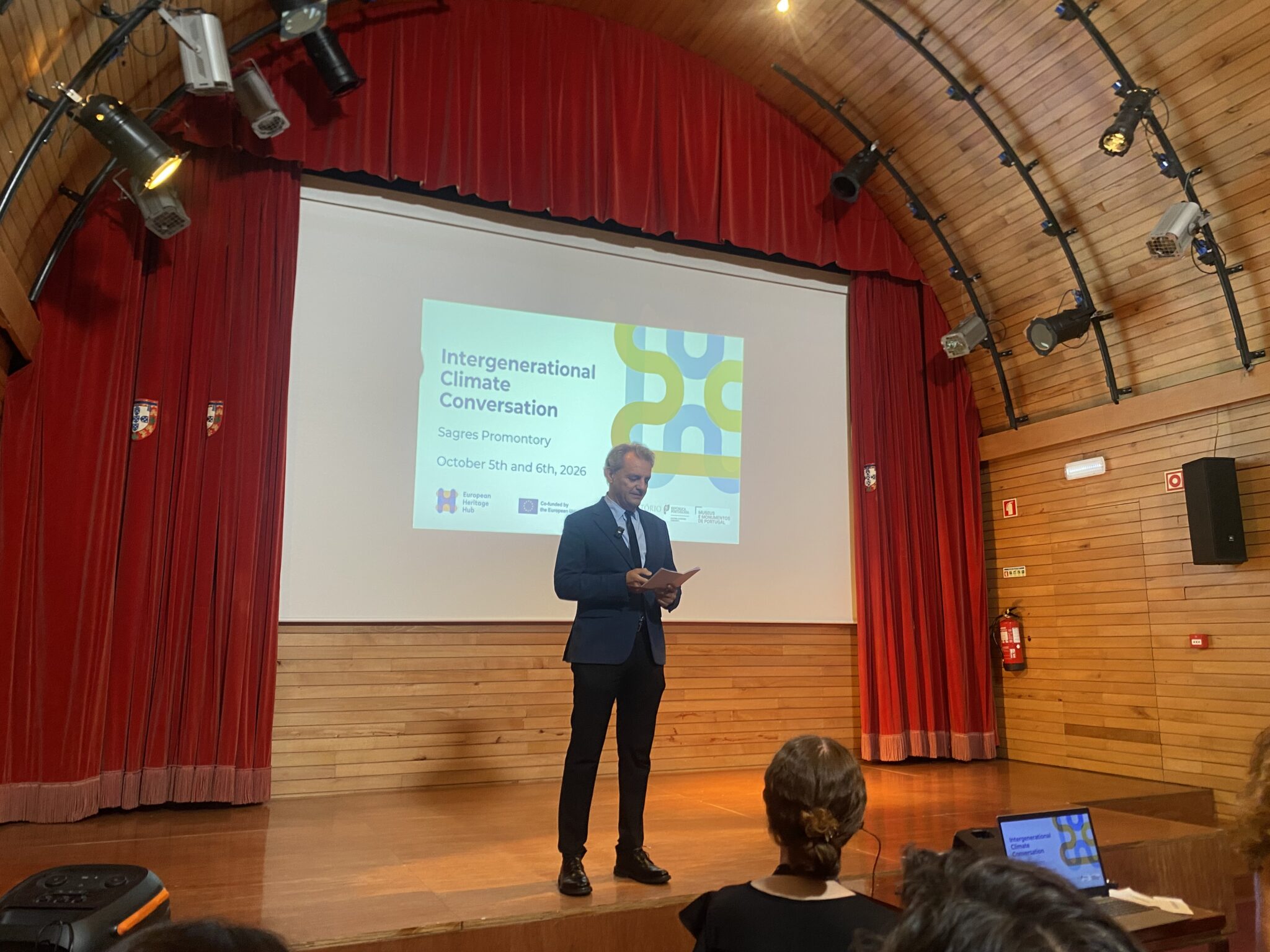
During the Intergenerational Climate Conversations at the Sagres Promontory, I had the opportunity to lead a workshop titled “What defines Sagres today that future generations should know?”
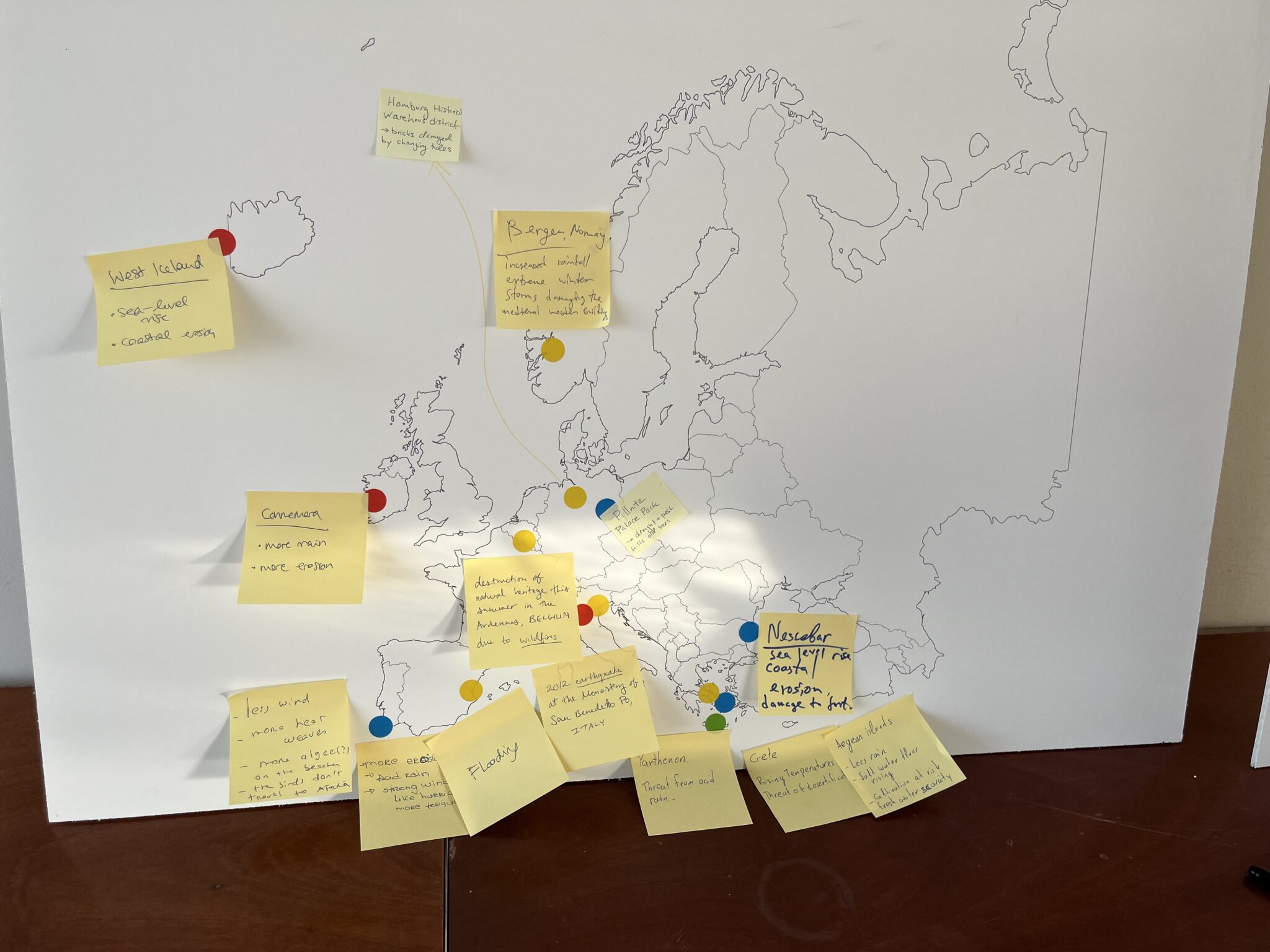
My workshop invited local participants to reflect on the living memory and intangible heritage of Sagres. To bring these reflections together, I invited participants to create a collective map of what is worth remembering about Sagres. I organised their contributions into eight categories: places, stories, sounds, nature, culture, people, everyday life and change. The idea of my exercise was to offer ways to make these elements visible and to reflect on how they could be preserved and passed on. The exercise also demonstrated the value of bringing different generations and perspectives together, allowing people to share their experiences and consider how their community might evolve.
One of the most interesting parts of the workshop was discussing how Sagres has changed over time and how participants imagined its future. Another important topic was the difference between how visitors perceive Sagres and how residents experience it in their everyday lives. This contrast reflects what we discussed as the tourism paradox – the difference between visiting a place and belonging to it. It also raises an important question: How can Sagres welcome visitors and benefit from tourism without losing the qualities that make it special to the people who live there?
Leading this workshop reminded me that cultural heritage is not only about monuments, historic buildings or officially recognised sites. It is also about the knowledge, memories, traditions and everyday practices that people carry with them. These less visible aspects of heritage can be easily overlooked, particularly as places experience tourism growth, demographic changes and environmental pressures. However, they are very important in order to understand what makes a community different and what future generations might otherwise lose. The Intergenerational Climate Conversations offered a very suitable space to explore these topics together.
I left the workshop with a stronger appreciation of the importance of listening to local voices when discussing the future of cultural heritage. Protecting a place means recognising the people, stories and everyday experiences that give it meaning, not only preserving its physical landscape. Ultimately, the challenge for Sagres, as well as many other places around the world, is to find a balance between welcoming new opportunities and safeguarding its identity. In conclusion, my experience in Sagres showed me how important it is to document what is worth remembering today, so that we can help ensure that the cultural heritage remains meaningful not only to those who visit it, but also to those who call it home.