Lorca and the Archive: A Journey Through Memory at the Residencia de Estudiantes
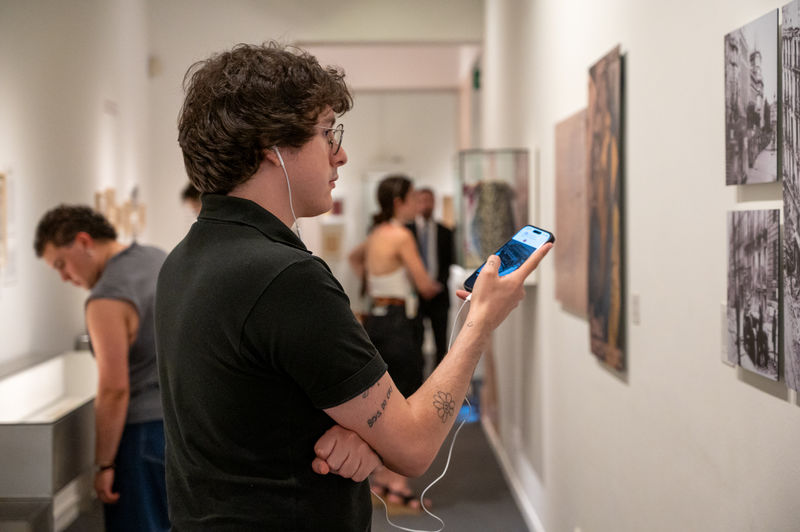
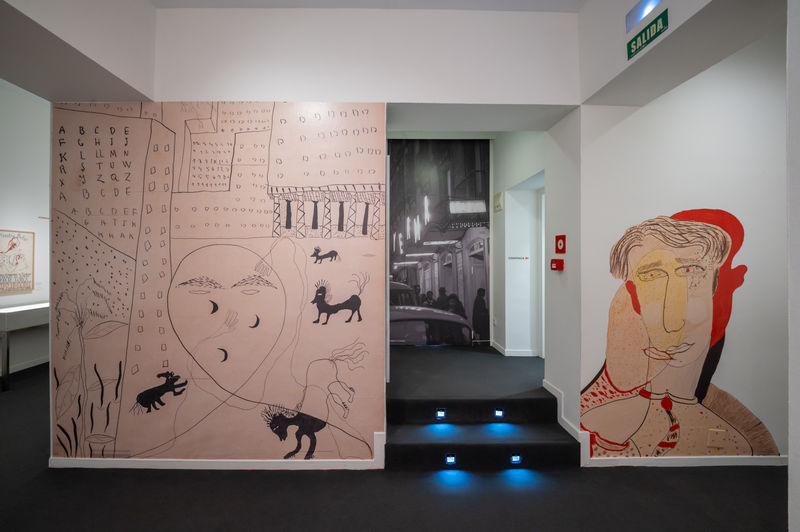
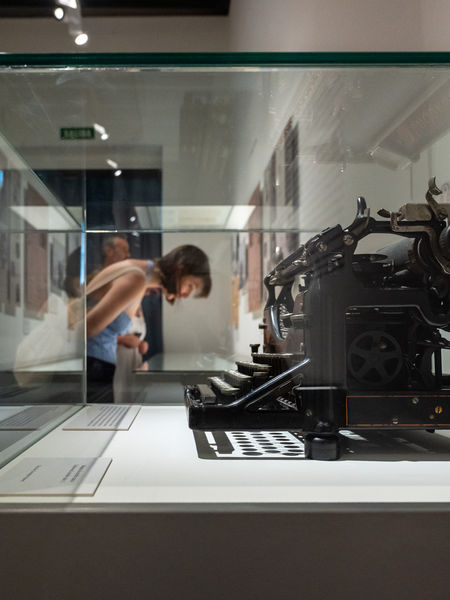
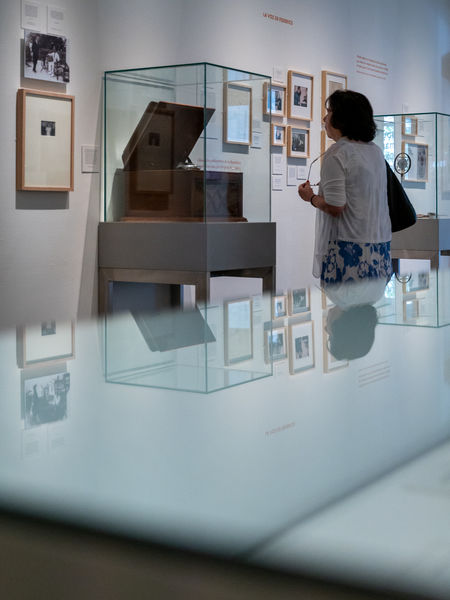
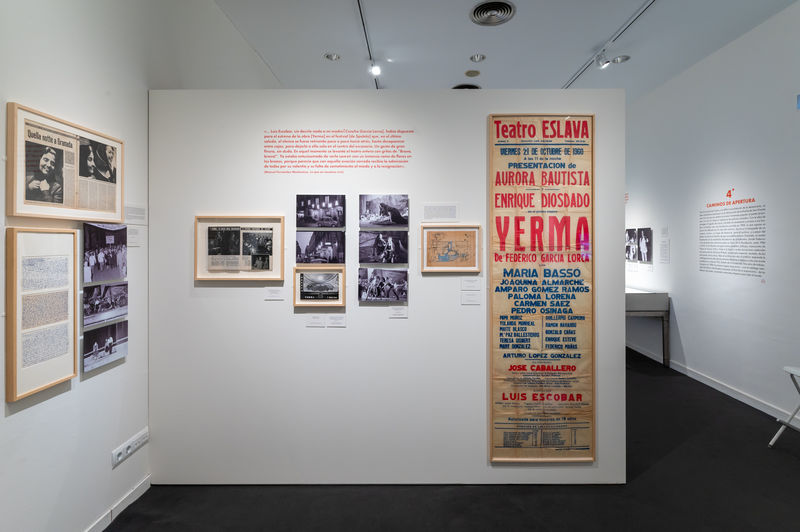
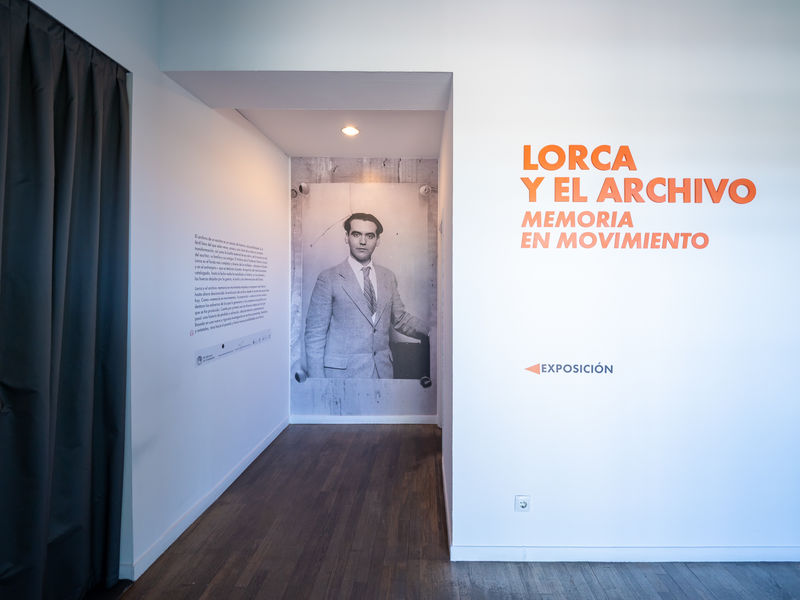
From 23 April to 26 July 2026, the Residencia de Estudiantes presents Lorca and the Archive: Memory in Motion, a new exhibition exploring the remarkable documentary legacy of one of Spain’s most influential poets, Federico García Lorca.
Curated by Spanish literature scholars Andrew A. Anderson (University of Virginia), Melissa Dinverno (Indiana University Bloomington), and Christopher Maurer (Boston University), the exhibition has already received international recognition. The curators were awarded the 2025 Philip M. Hamer and Elizabeth Hamer Kegan Prize by the Society of American Archivists for their outstanding work on the project.
The exhibition offers visitors a unique opportunity to discover the history of the Federico García Lorca Foundation Archive—the most extensive and diverse collection dedicated to the poet. While the archive has long been carefully catalogued, its own history has remained largely untold. Lorca and the Archive: Memory in Motion is the first exhibition to trace the archive’s evolution from Lorca’s death to the present day.
Through original manuscripts, drawings, photographs, musical scores, personal belongings, police records, newspaper clippings, and correspondence, the exhibition reconstructs the extraordinary journey of Lorca’s documentary legacy. It reveals a story shaped by loss, war, exile, state intervention, rediscovery, and preservation, based on extensive new research carried out across personal, family, and public archives.
More than a retrospective, the exhibition also invites visitors to reflect on the future of cultural memory. By examining both the preservation of Lorca’s legacy and the challenges that remain, it highlights the vital role archives play in safeguarding Europe’s literary and cultural heritage for future generations.
Lorca and the Archive: Memory in Motion offers a compelling exploration of memory, history, and resilience, demonstrating how archives preserve not only documents, but the stories and identities that continue to shape Europe today.