Preserving what remains: Protecting the traces of Lamsdorf’s POW camps
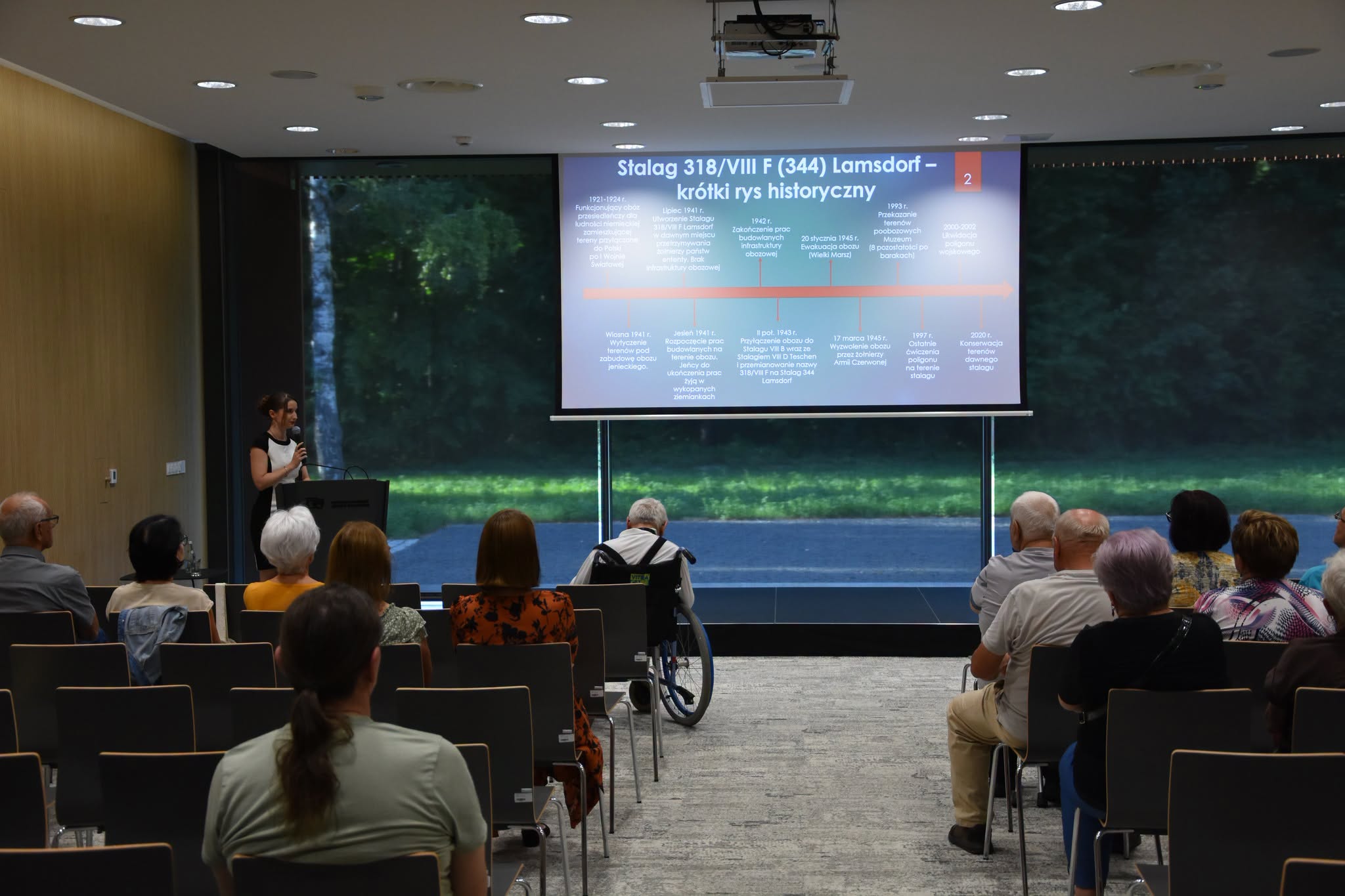
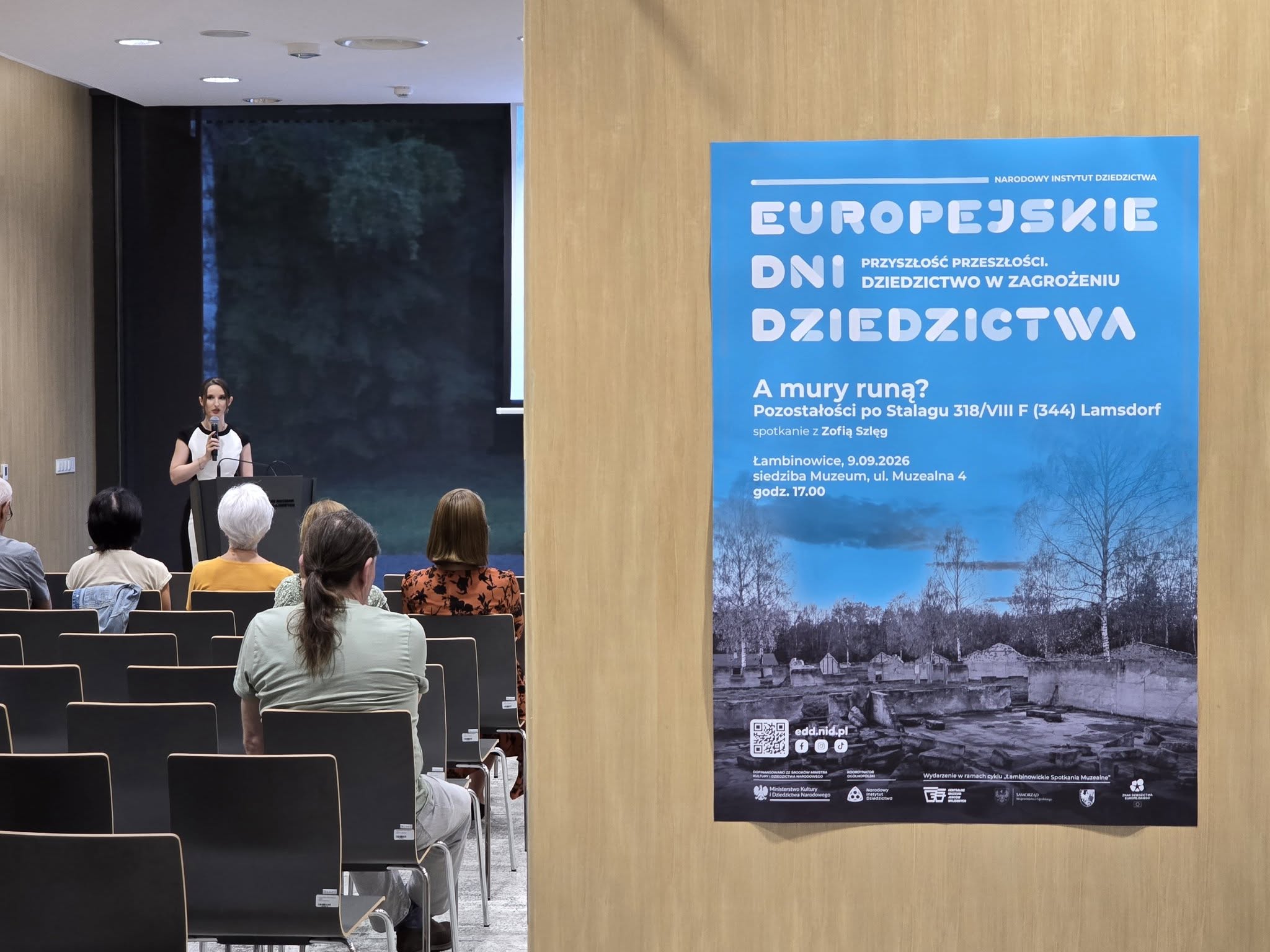
Concrete, brick, plaster. Materials that were meant to last for years now need protection themselves. Their remains are among the most vivid testimonies to Lamsdorf’s history, but time is not treating them gently. We discussed what is happening to the historic structures of the former prisoner-of-war camps and how they can be protected during the September Łambinowice Museum Meetings, organized as part of European Heritage Days 2026.
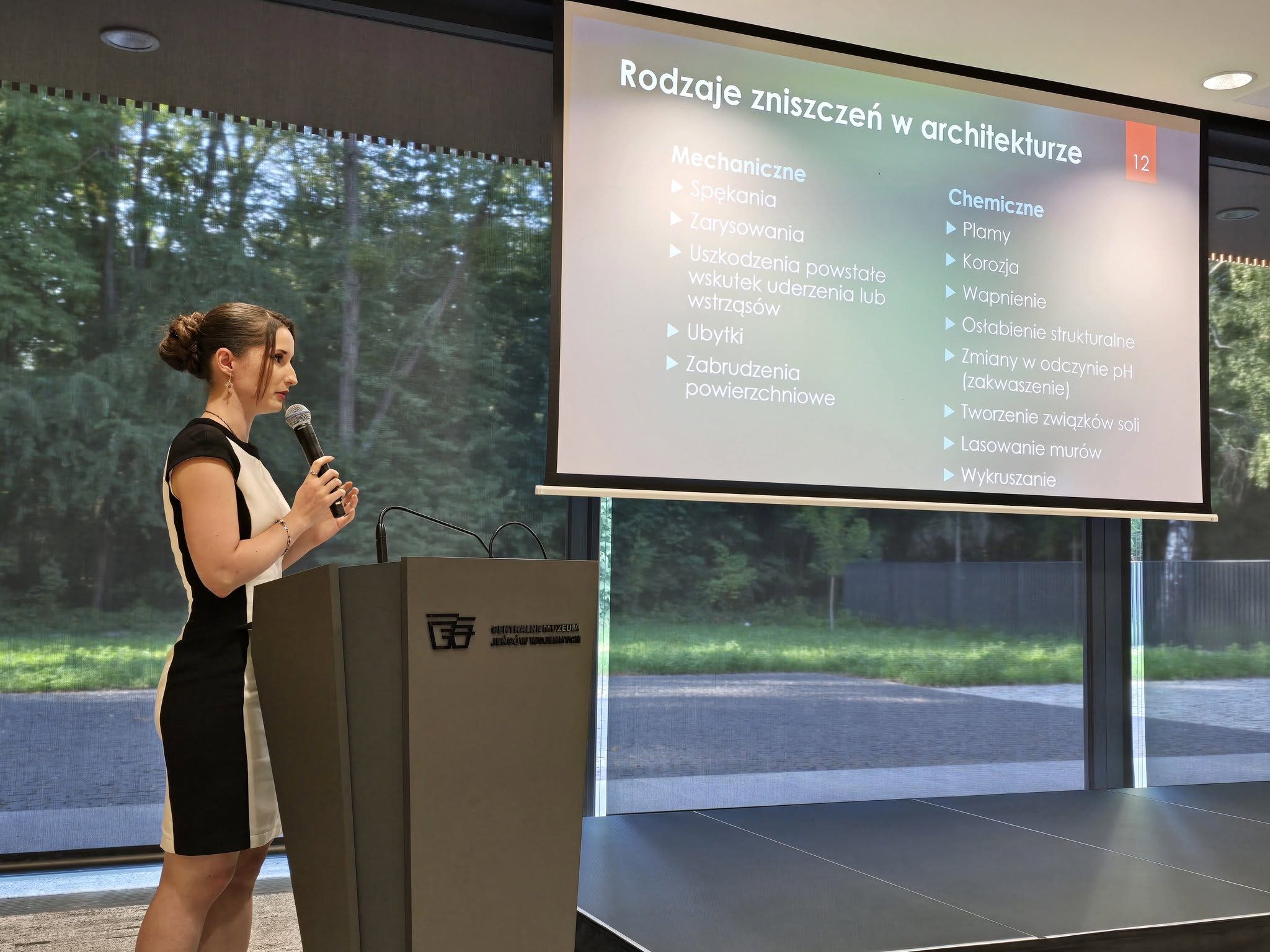
The event was held under the theme “The Future of the Past: Heritage in Danger” and focused on the results of recent studies on the state of preservation of the camp infrastructure, as well as the conservation work beingcarried out on the site of the former Stalag 318/VIII F (344) Lamsdorf. Our colleague from the Collections and Conservation Department, Zofia Szlęg, spoke about these efforts. She explained the methods used to document and preserve the remains of the camp’s infrastructure, as well as the challenges faced by those responsible for their care.
However, this was not merely a lecture on bricks and concrete. Participants were able to get a behind-the-scenes look at conservation work and learn how seemingly harmless factors—water, sunlight, plants, fungi, andbacteria—contribute, step by step, to the degradation of materials. The event demonstrated that preserving what remains of the former camp system requires not only specialized knowledge and research but also daily,consistent effort.
The September Łambinowice Museum Gathering was also an opportunity to meet the people who do this work—museum staff, conservators, and volunteers committed to preserving the tangible traces of Lamsdorf’shistory. For while concrete and brick can last for decades, without our attention and care, they may eventually disappear.