Krzysztof Penderecki European Centre for Music

The EHL Site
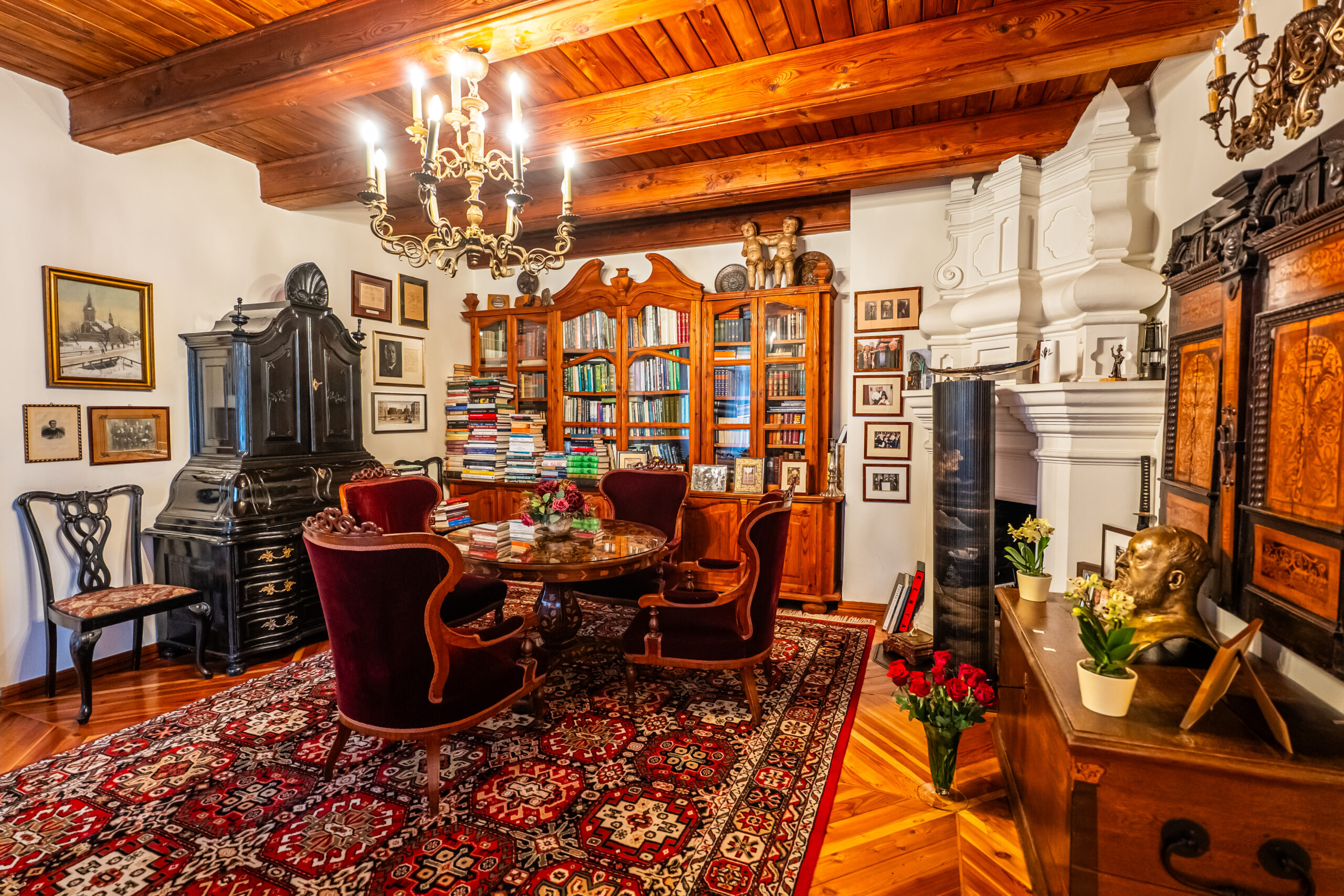
The Krzysztof Penderecki European Centre for Music in Lusławice (ECMKP) is an international artistic and educational hub, fostering intercultural dialogue and European cooperation. It continues the legacy of Lusławicebeing a meeting place for thinkers and artists, bringing together young musicians from all around Europe. ECMKP with the manor and park complex is a site of unique significance for European cultural history. Today, ECMKP continues this tradition by hosting international masterclasses, academic conferences, and artistic events.
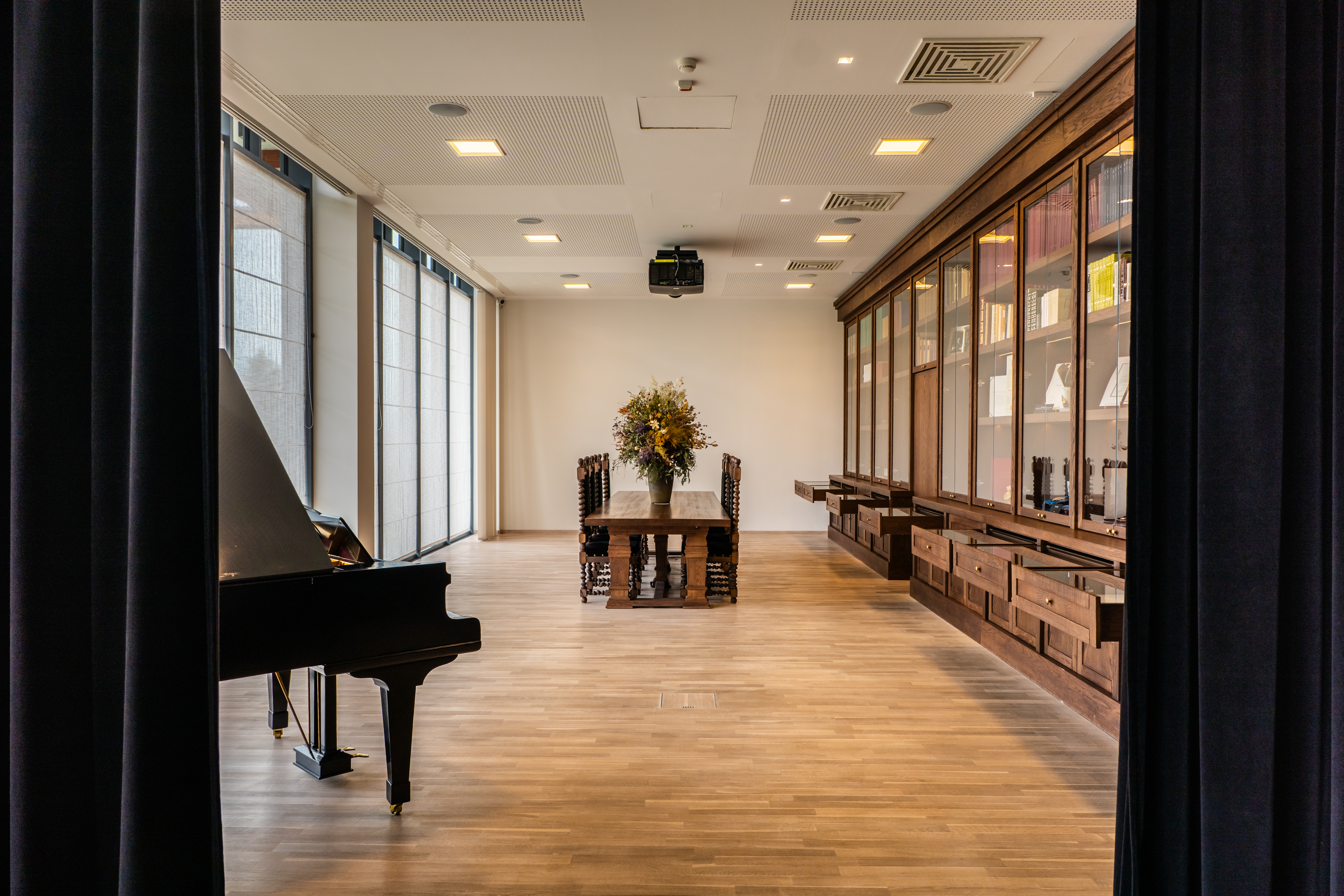
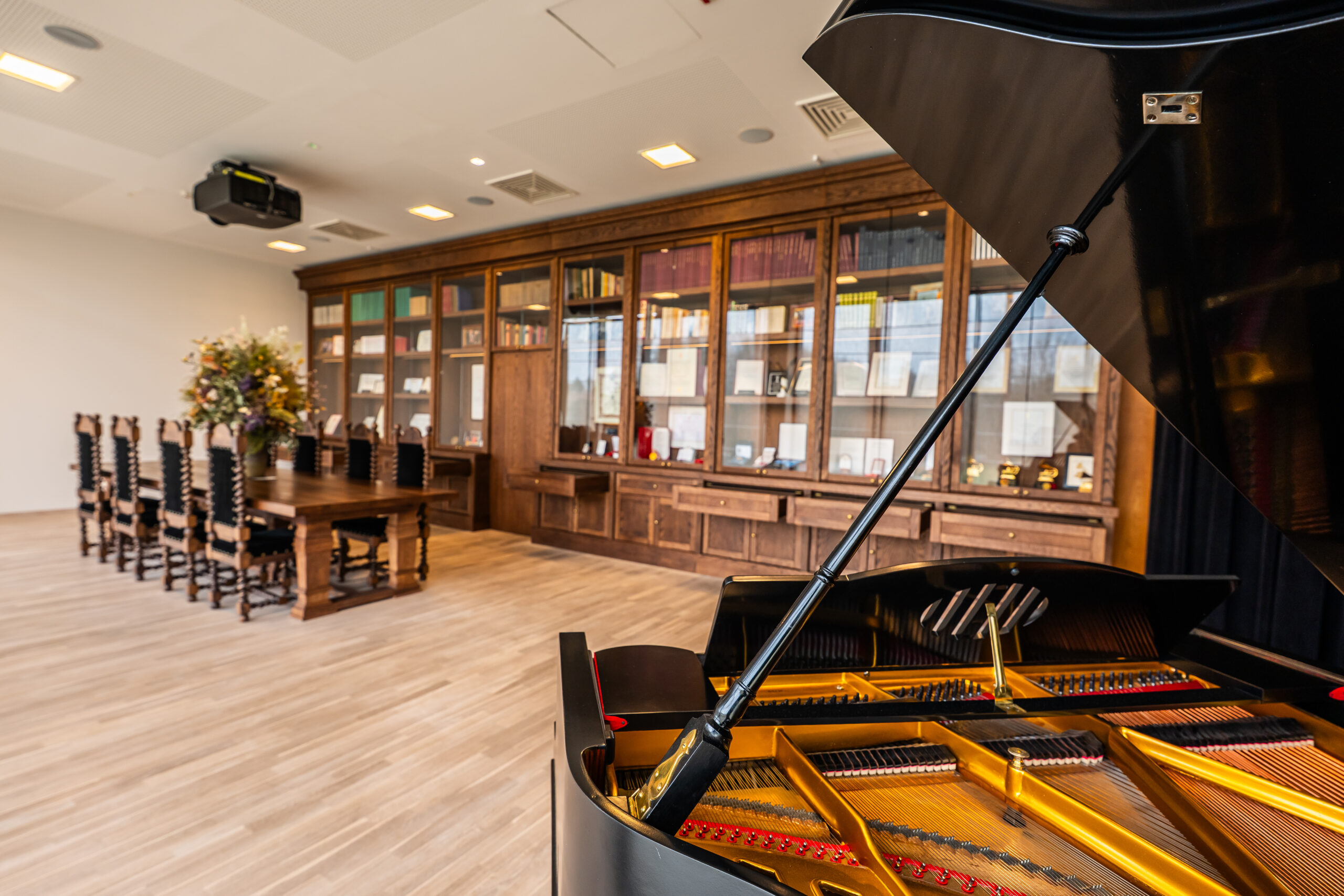
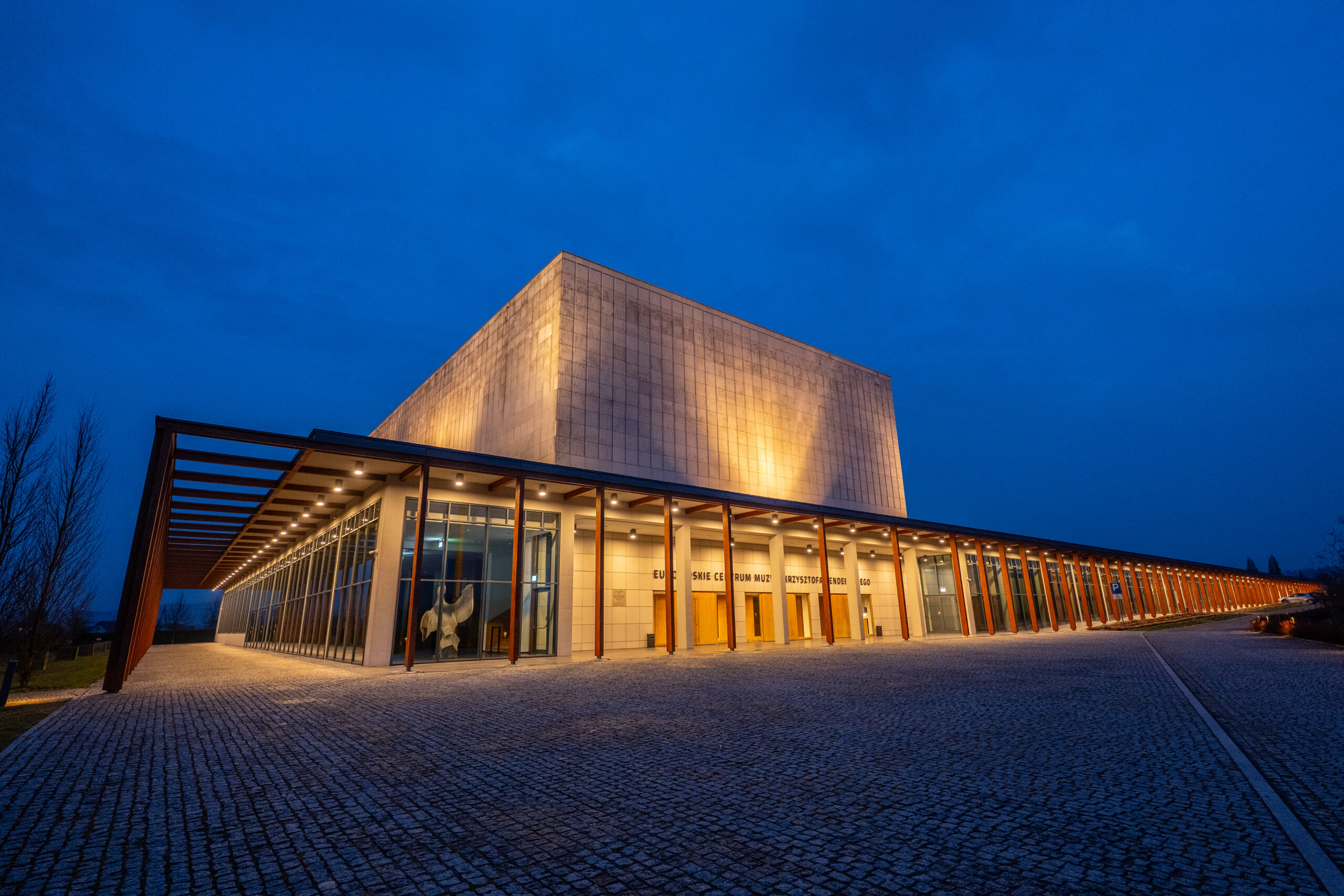
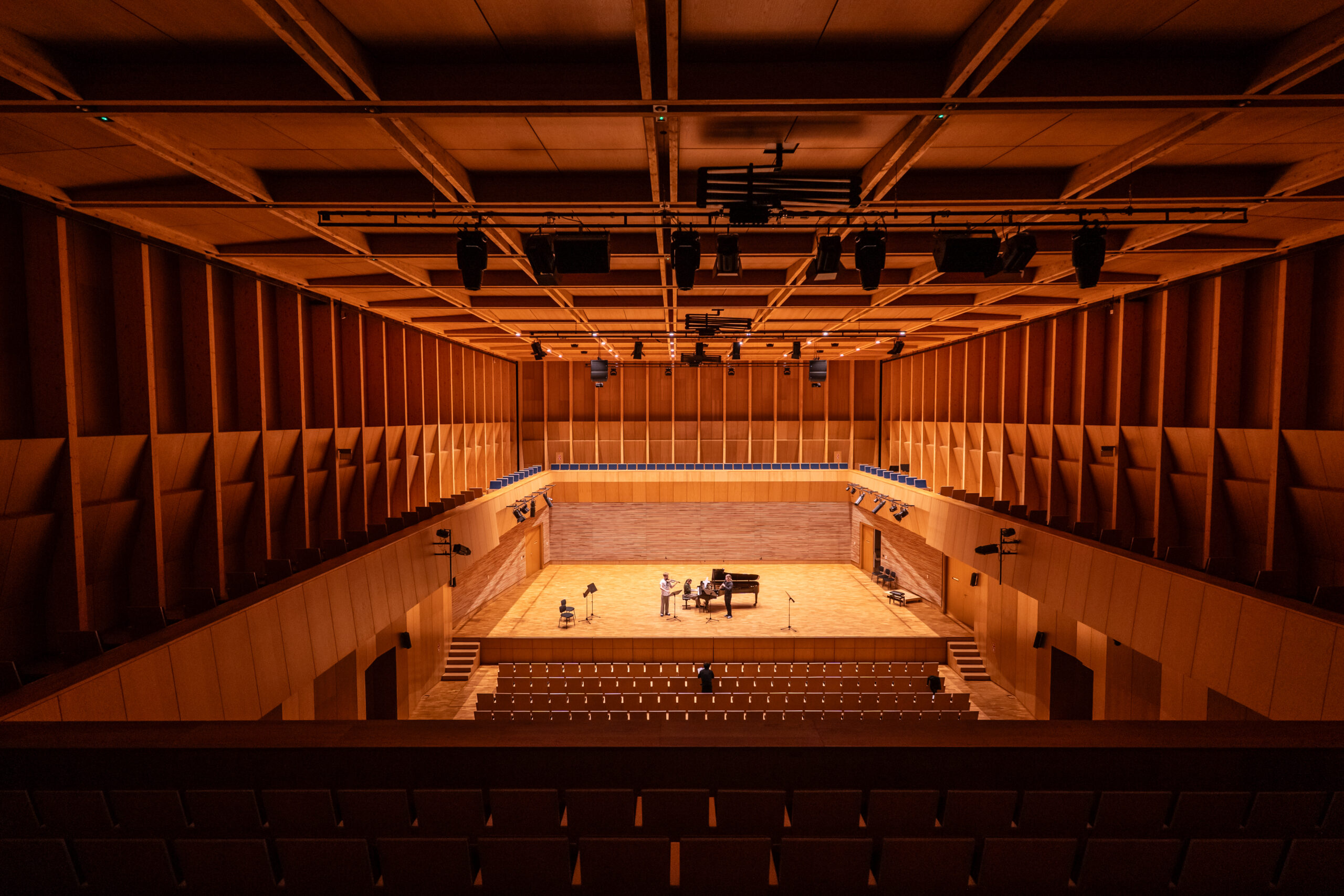
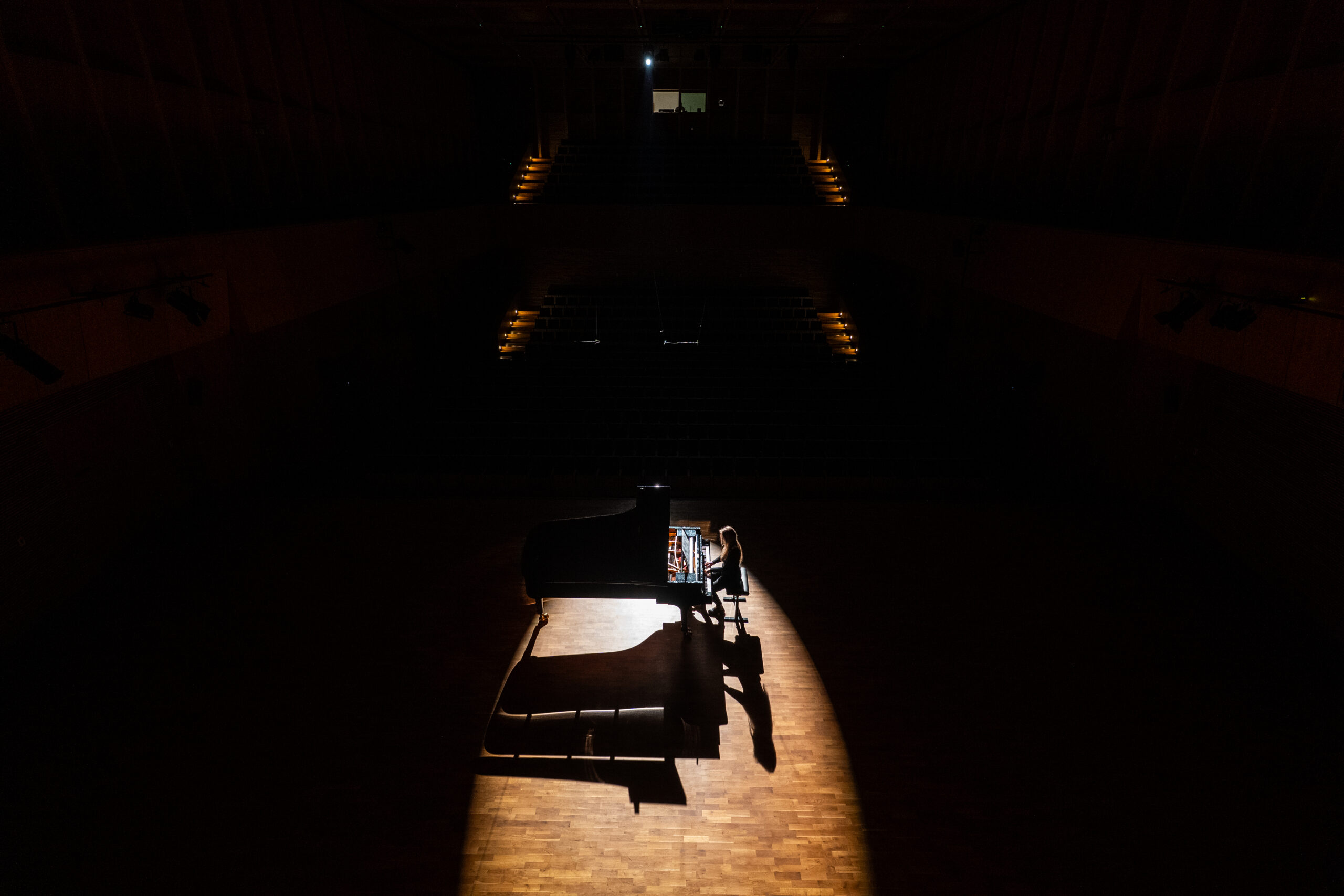
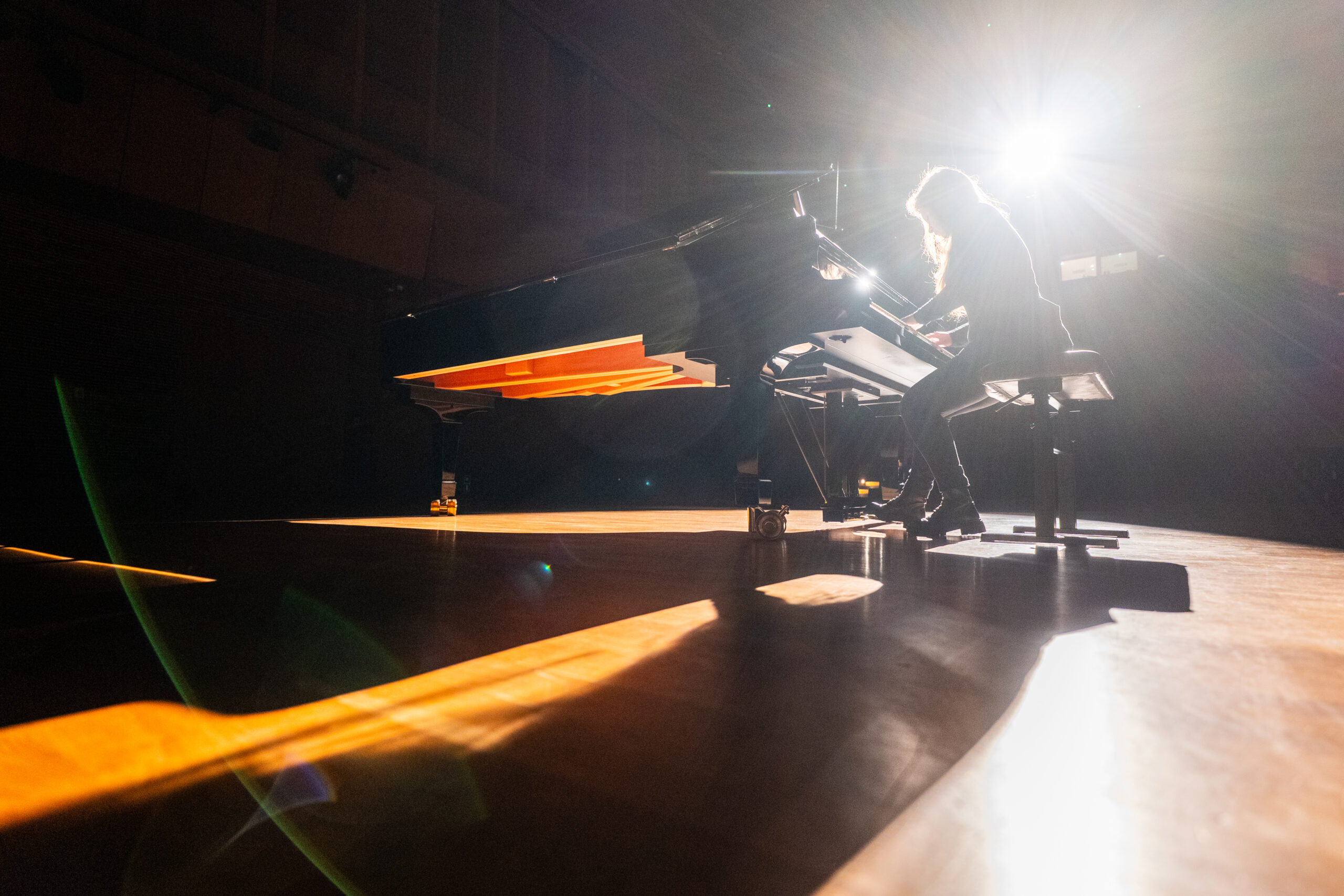
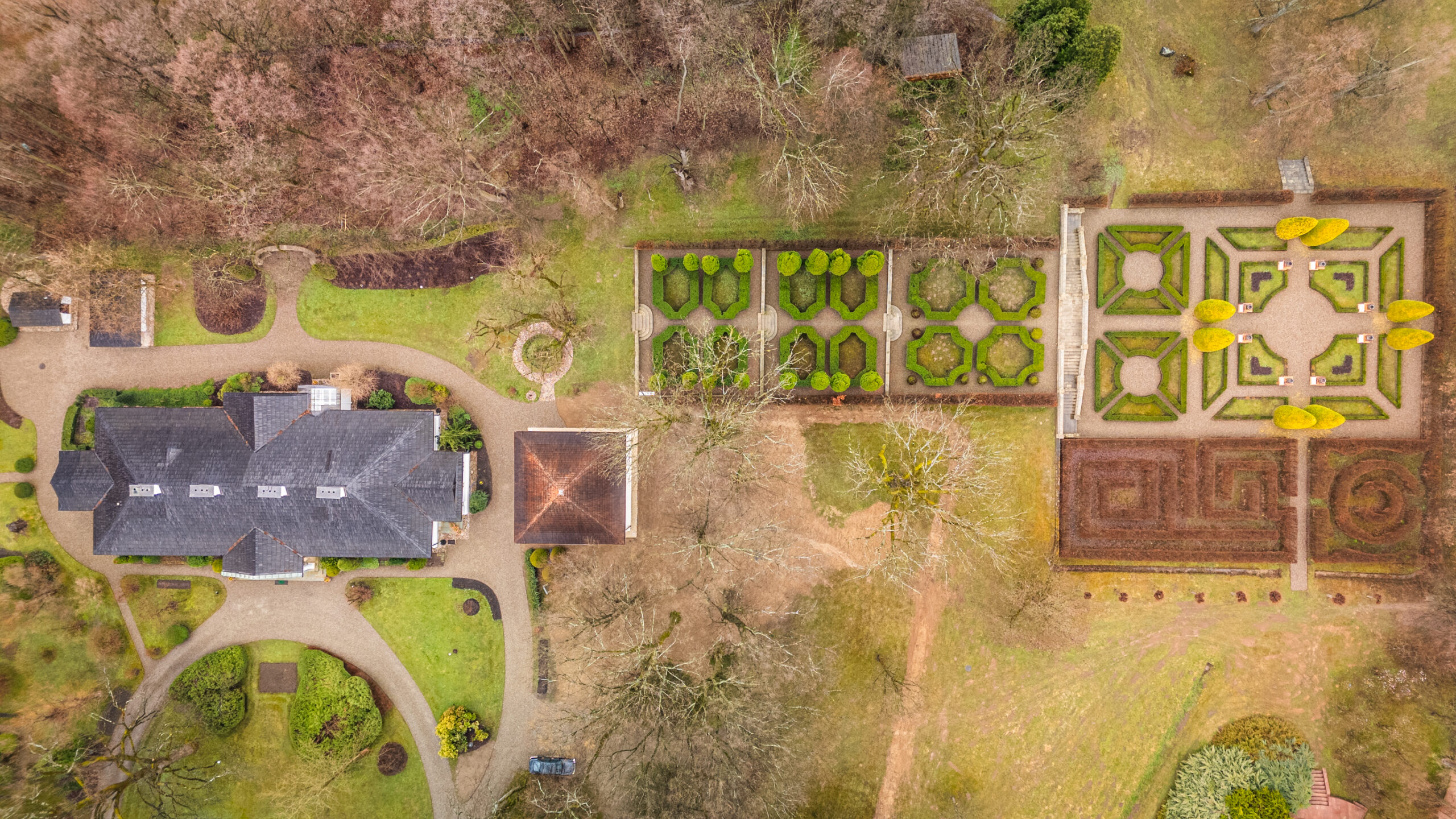
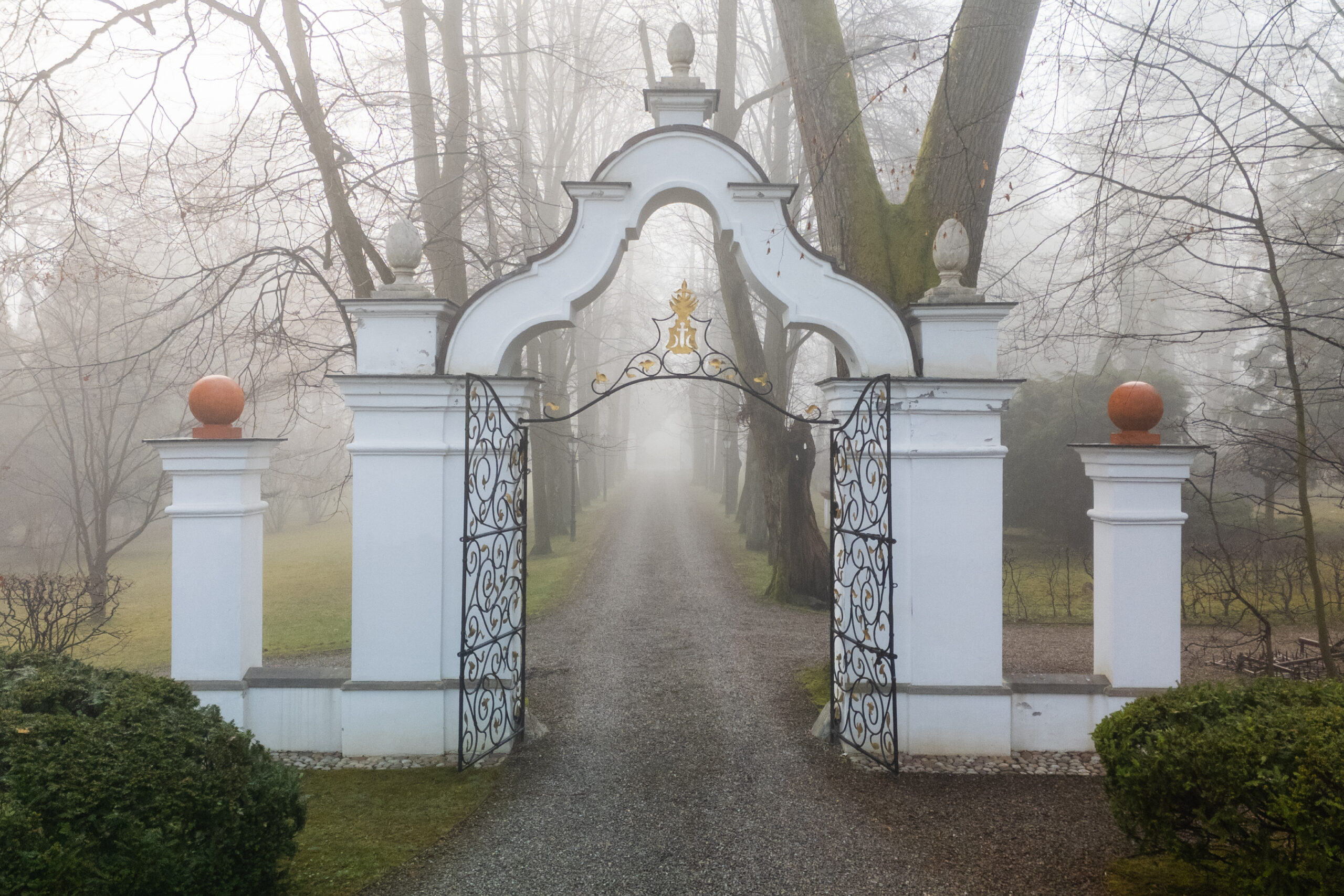
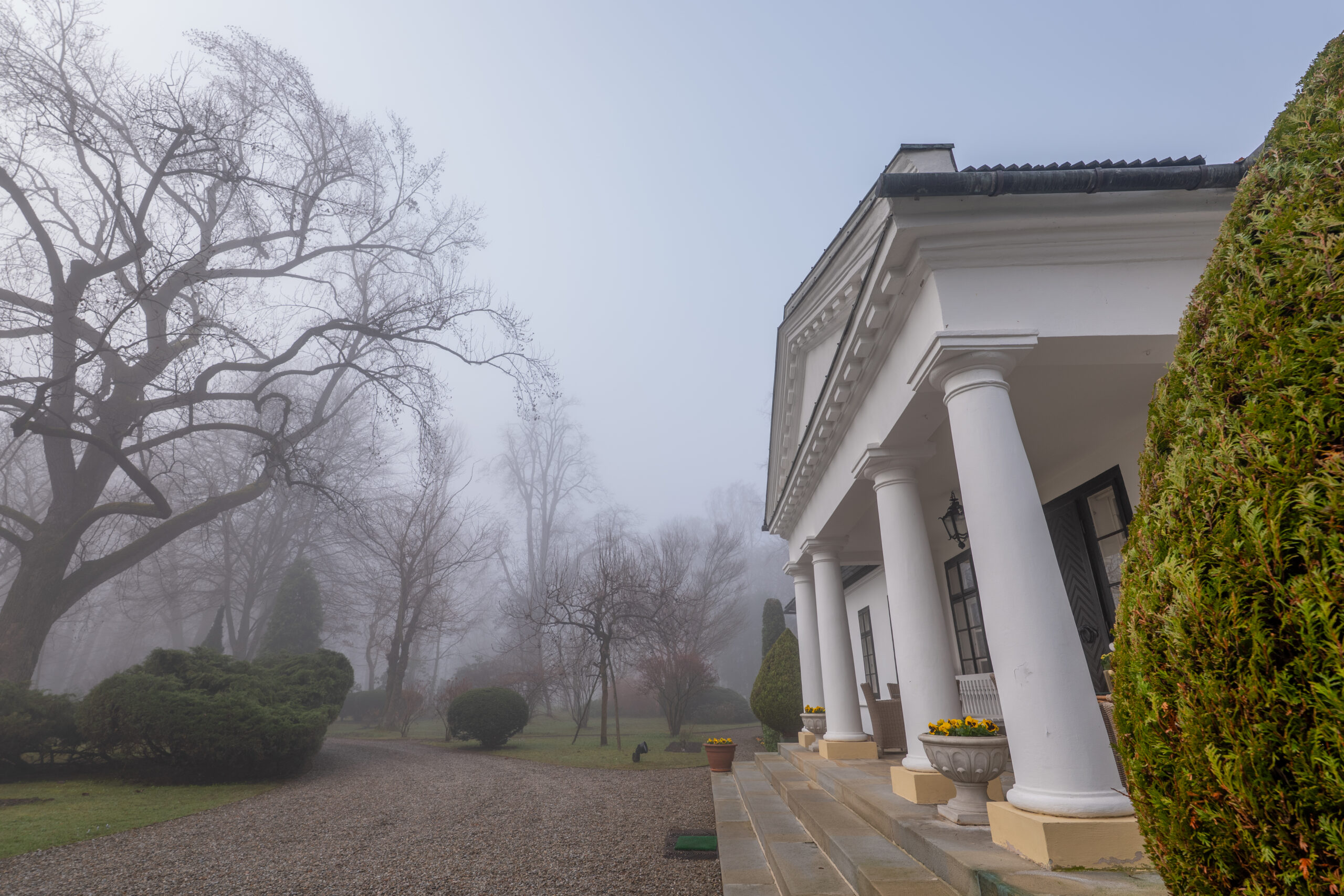
The completion of the headquarters of the ECMKP on 10 November 2012 opened a new chapter in the history of Lusławice. The campus building, designed by architects from the DDJM studio, was constructed next to the historic manor and park complex owned by Krzysztof Penderecki since the 1970s. The institution was established in 2005 on the initiative of Krzysztof Penderecki, and the inauguration of its headquarters in Lusławice took place on 21 May 2013. The architects emphasised the modern character of the building and its original design, noting that the architectural concept, while using minimal means of expression, blends harmoniously into the surrounding landscape and enriches it with a distinctive cultural dimension. At the outset of the institution’s activity, a long-term strategy for the functioning of the campus was developed, based on the vision and ideas of its Patron, Krzysztof Penderecki. Every year, ECMKP completes c. 300 projects, more than half of them related to the Lusławice Manor and park (guided tours of the Arboretum and Manor, educational workshops for children, youth, senior citizens and people with special needs). Important annual events include the EMANATIONS Music Festival, DE NATURA SONORIS. LUSŁAWICE – MANOR HOUSE Spring Festival, international music masterclasses, educational workshops, academic conferences, and concerts celebrating European musical heritage. ECMKP’s programmes primarily support young, talented musicians from Poland and abroad.
European Dimension
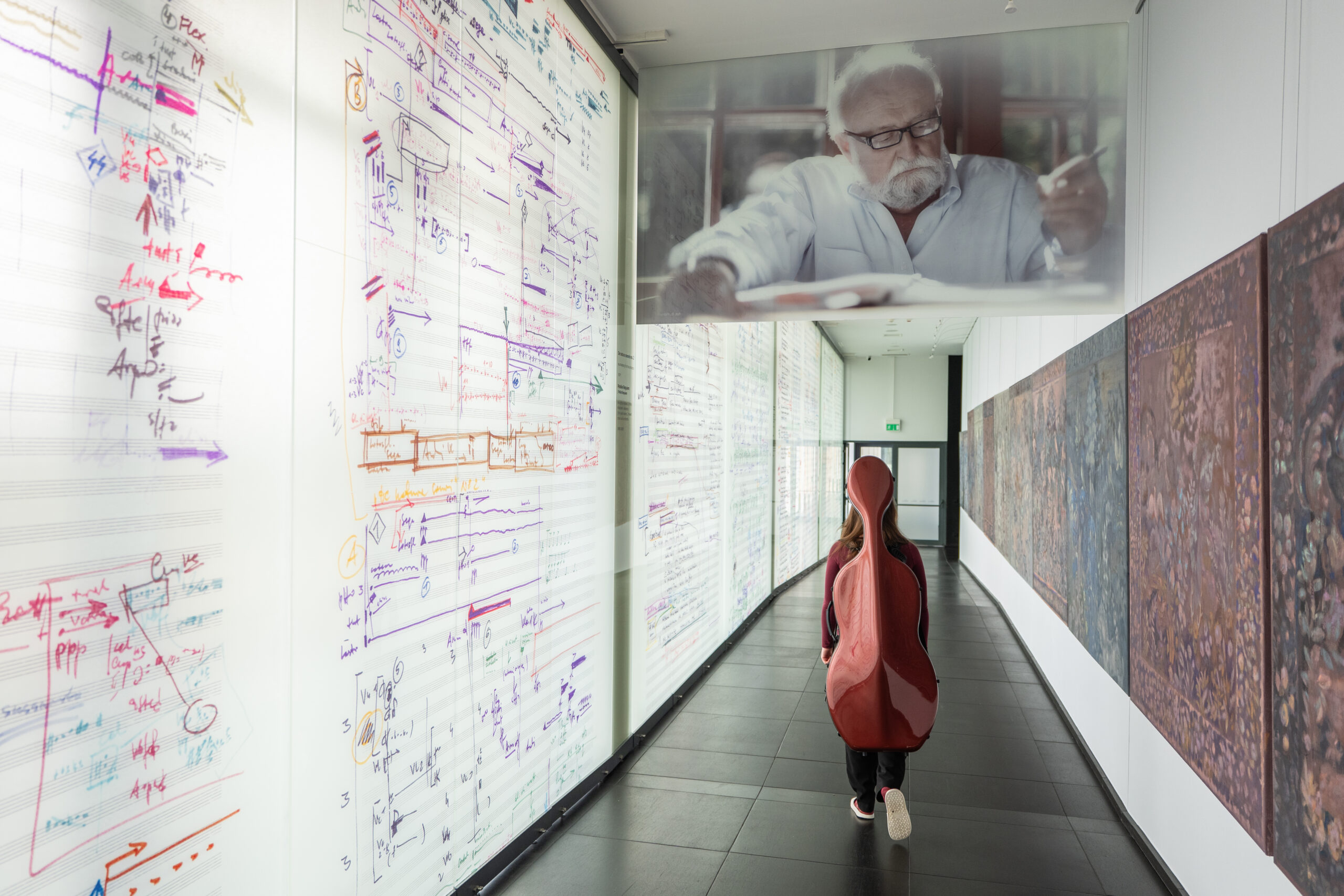
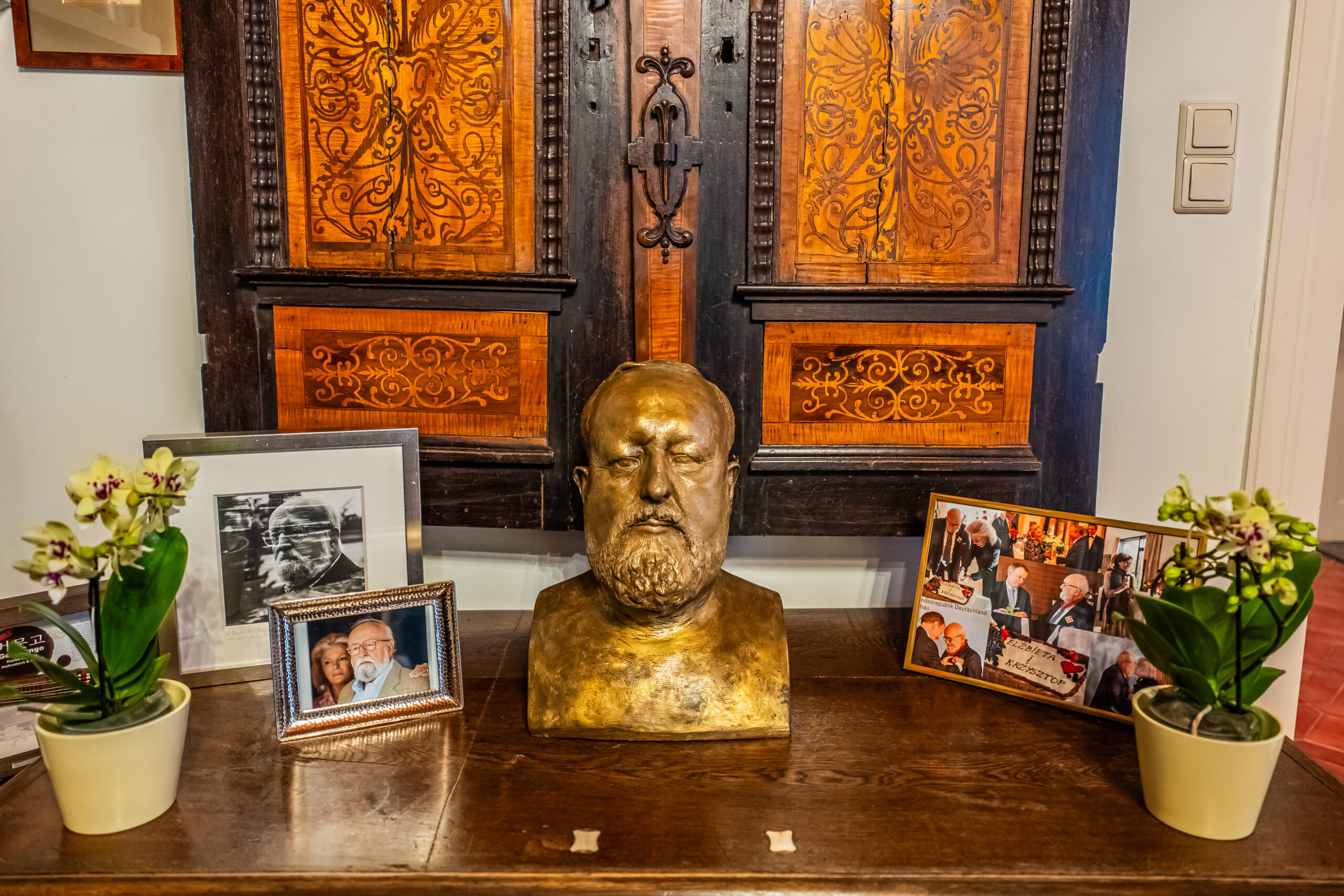
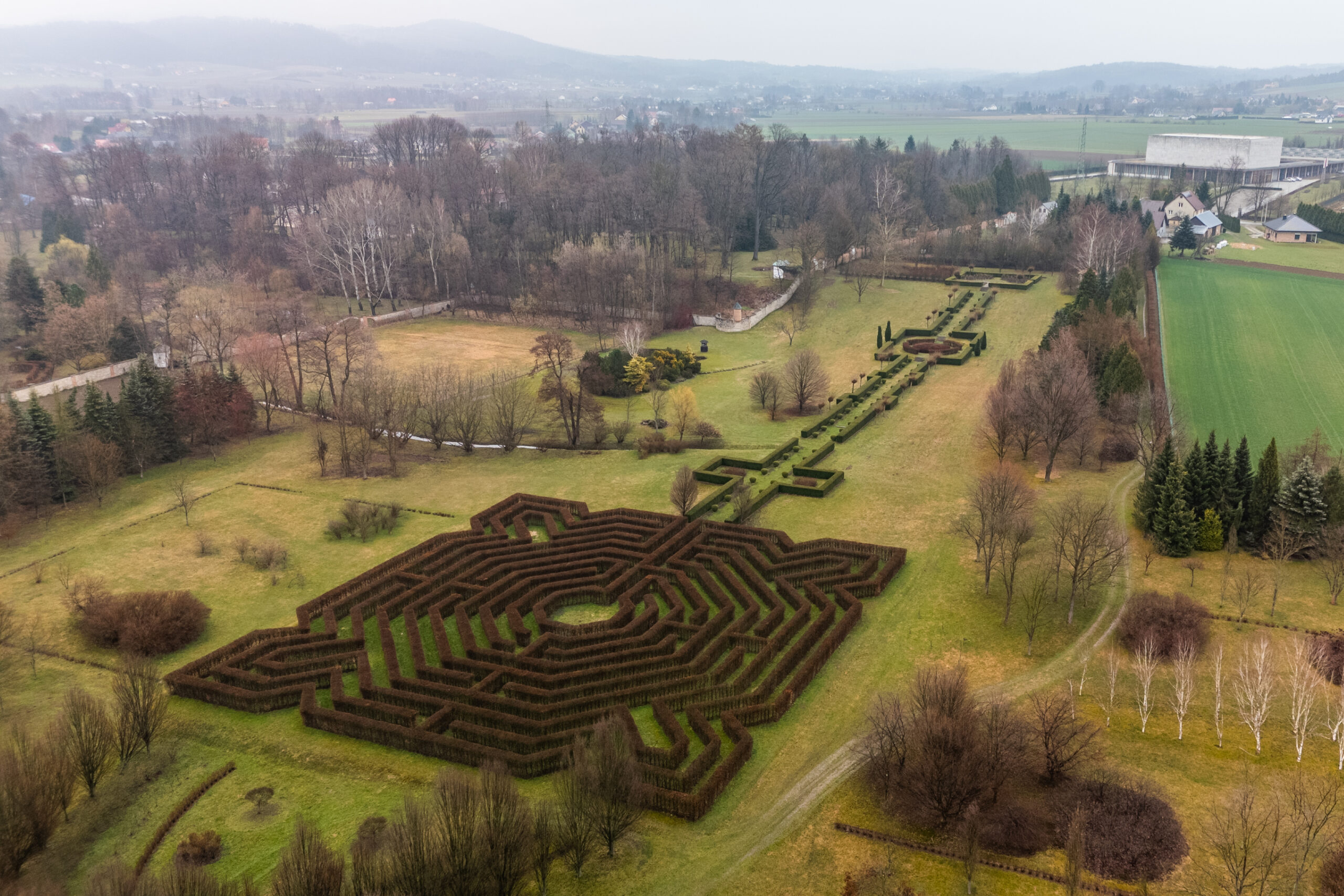
The ECMKP holds exceptional significance for European cultural heritage, combining history, art, and education, while emphasising shared European values. Its European importance is primarily the legacy of its patron, Krzysztof Penderecki, world-class composer, one of the most revered composers of our time. Recipient of numerous orders and decorations, Penderecki received five Grammy Awards, dozens of honorary doctorates and professorships from universities, and memberships in leading artistic and scientific academies worldwide. His compositions helped shape the cultural identity of Poland, Europe, and the world, winning Penderecki the title of the Cannes Classical Living Composer of the Year. ECMKP operates in Europe’s cultural and educational network, hosting international masterclasses and concerts featuring artists and students from across the continent. It serves as a hub for cultural exchange, fostering integration through music. The Krzysztof Penderecki Arboretum, an integral part of ECMKP, is a unique example of Europe’s natural and artistic heritage. Inspired by European garden traditions, it is an homage to biodiversity, reflecting the harmonious relationship between nature and culture, so important in European heritage. The rich history of Lusławice manor and park complex is fundamental to its broad European cultural heritage. In the 16th century, this was a centre of the Arians (the Polish Brethren), a Reformation-era religious group led by the Italian theologian Faustus Socinus. Socinus spent his final years in the historical Lamus building, where, within Lusławice manor gardens, an Arian printing house and the Lusławice Academy operated. Open to all regardless of age, origin, or faith, the Academy provided inclusive education, while the Polish Brethren’s ideals – rooted in ideas of Enlightenment, pacifism, equality, tolerance, and community – continue to resonate with the fundamental principles upon which contemporary Europe is built. The Centre promotes European integration through culture, bringing together artists, students, and audiences from different countries and cultural backgrounds.
The organization
The Krzysztof Penderecki European Centre for Music in Lusławice is a Polish national cultural institution dedicated to music education, artistic creation, and the preservation of cultural heritage. Krzysztof Penderecki’s dream of creating a unique academy where future generations of musicians could develop their talents had been growing since the 1970s. This vision was fulfilled in 2013 with the opening of the institution’s headquarters in Lusławice — a place deeply cherished by the composer. The mission of the Centre is to support young musicians, promote artistic excellence, foster intercultural dialogue, and preserve the heritage of Krzysztof Penderecki and Lusławice itself — a small village in the Małopolska region marked by the rich legacy of remarkable figures such as Krzysztof Penderecki, Jacek Malczewski, Faustus Socinus, and the Polish Brethren. The Centre operates throughout the year, offering a wide range of artistic and educational activities. Its programme features both concerts by renowned performers from Poland and abroad, as well as recitalsby promising young musicians. During every season, the modern campus in Lusławice hosts masterclasses and educational programmes. The teaching staff consists of distinguished artists from Poland and abroad — university professors, internationally performing soloists and chamber musicians, as well as active conductors and composers. The Krzysztof Penderecki Arboretum, established by the artist, was acquired by the PolishState in 2021, fulfilling the composer’s wish to preserve the historic manor and park complex for future generations. The historic Manor, dating from the late 18th and early 19th centuries, together with its collection of more than two thousand species of trees and shrubs, constitutes a unique heritage complex on a European scale. Today, the Manor and Arboretum form an integral part of the activities of the ECMKP and remain underthe care of the national cultural institution under the care of the institution adjoining the historic estate.