Remembering the past, shaping the future: A month of learning at the Central Museum of Prisoners of War
Throughout May and June, the Central Museum of Prisoners of War in Łambinowice-Opole organised a series of public events exploring new ways of engaging with history, memory, and cultural heritage. Bringing together educators, researchers, authors, and visitors, the programme demonstrated how museums continue to evolve as places for dialogue, learning, and reflection.
Exploring Artificial Intelligence in Heritage Education
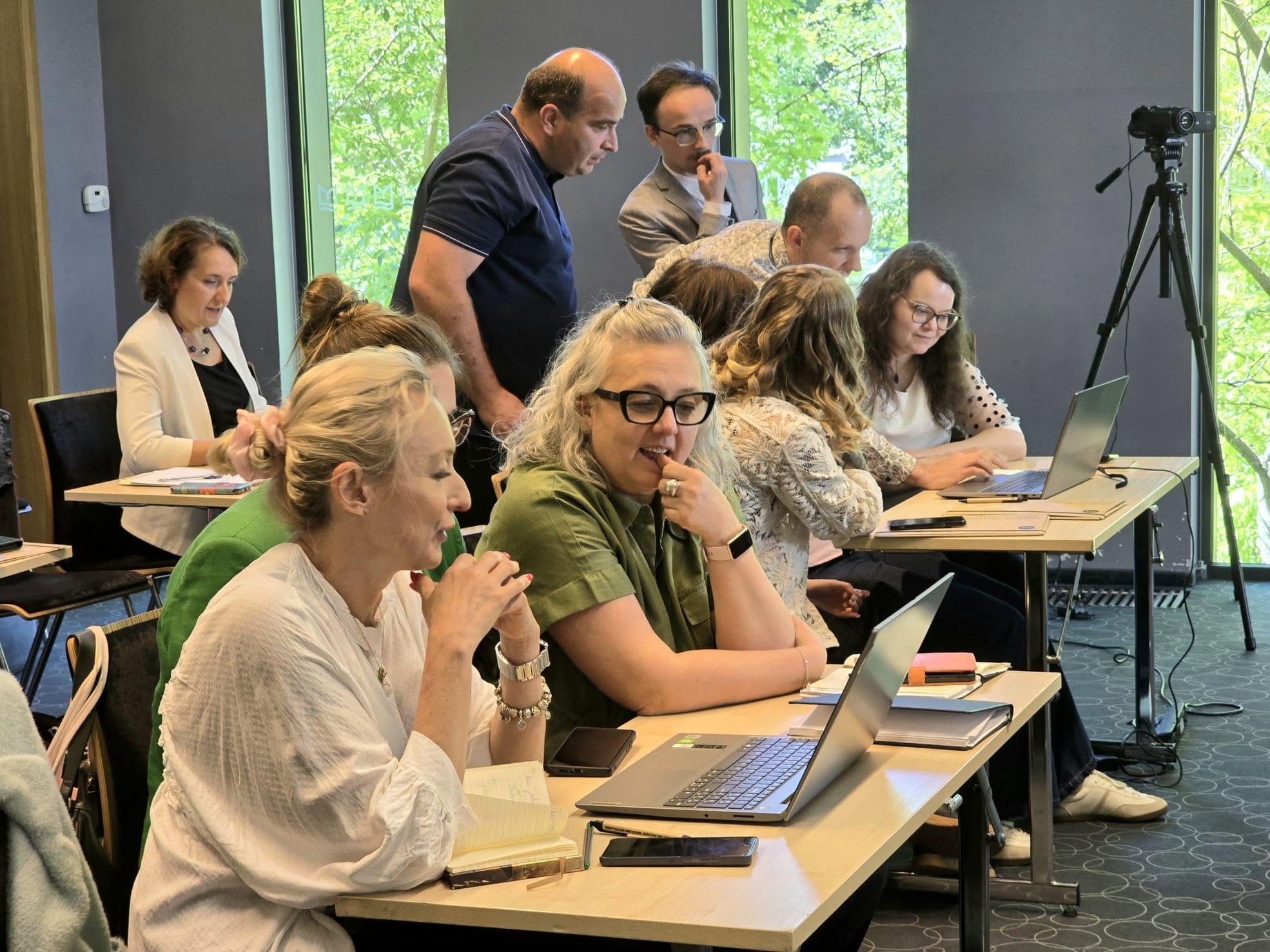
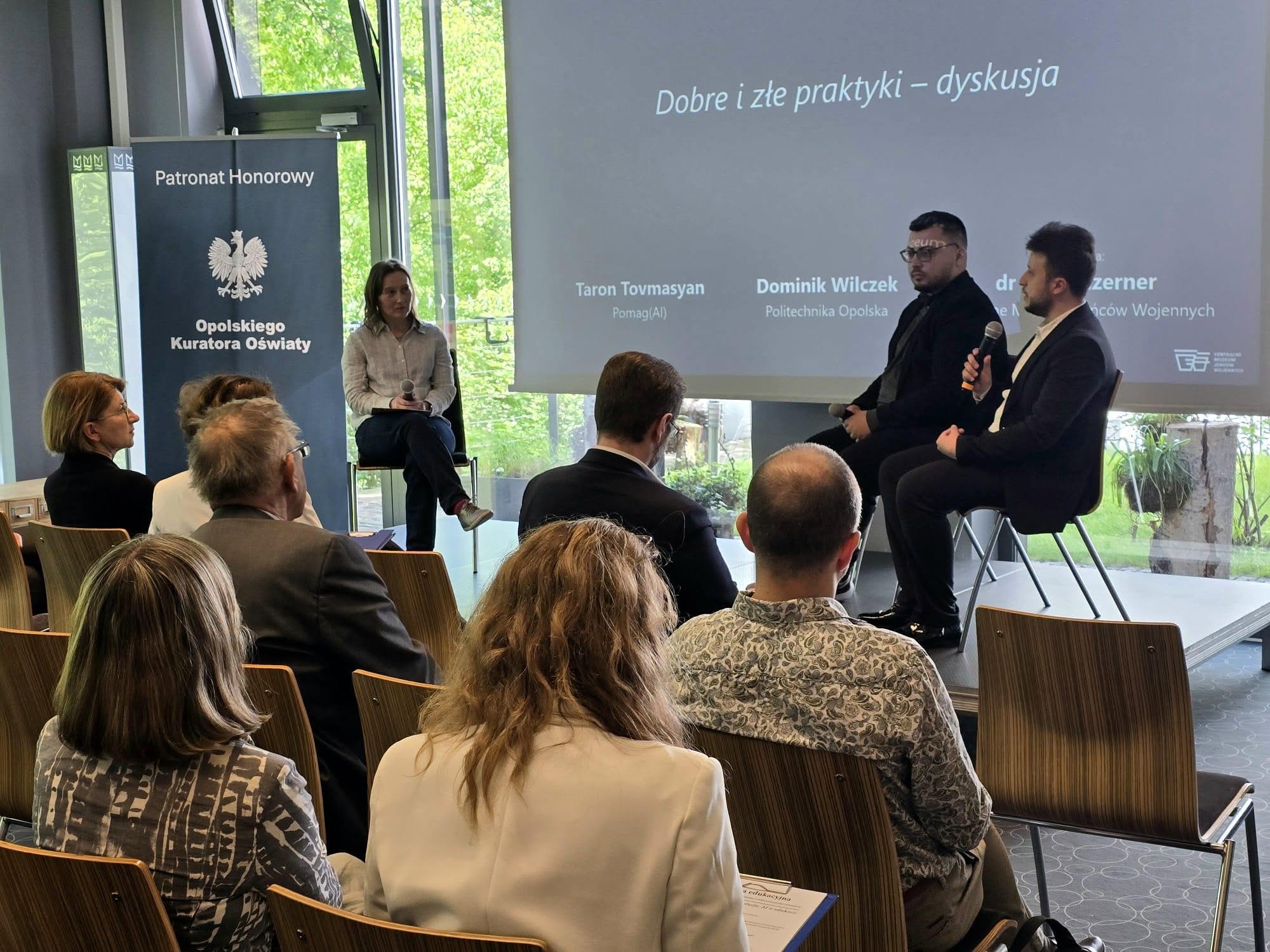
On 29 May, the Museum hosted the 21st edition of its educational session “If Not Memory, Then What? Education at National Memorial Sites”. This year’s theme, “Don’t Worry, It’s Only a Revolution: AI in Education”, examined the opportunities and challenges of using artificial intelligence in school, museum, and history education.
Around 50 participants attended expert presentations explaining how AI works, practical workshops demonstrating digital tools, and discussions on their responsible use in educational settings. Representatives of Generation Z also shared how they use artificial intelligence in their daily lives, offering valuable perspectives on the role of new technologies in education.
A special focus of the session was the application of AI in museum and history education. Participants explored how these tools can support heritage interpretation while encouraging critical thinking about their potential and limitations.
Uncovering the Story of the “Holy Scriptures from Lamsdorf”
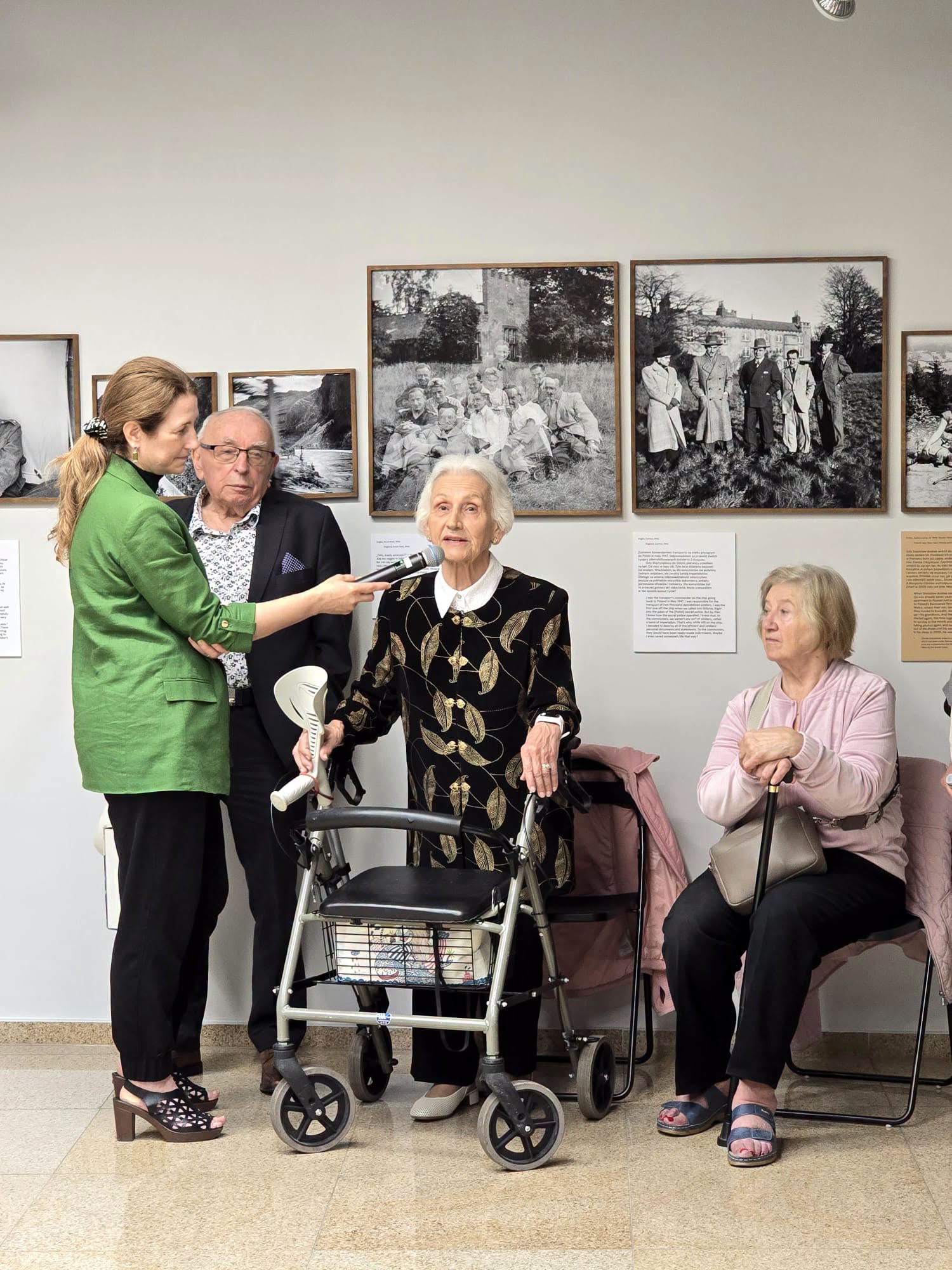
On 10 June, the Museum held another edition of the Łambinowice Museum Meetings, focusing on an artefact whose modest appearance concealed an extraordinary story.
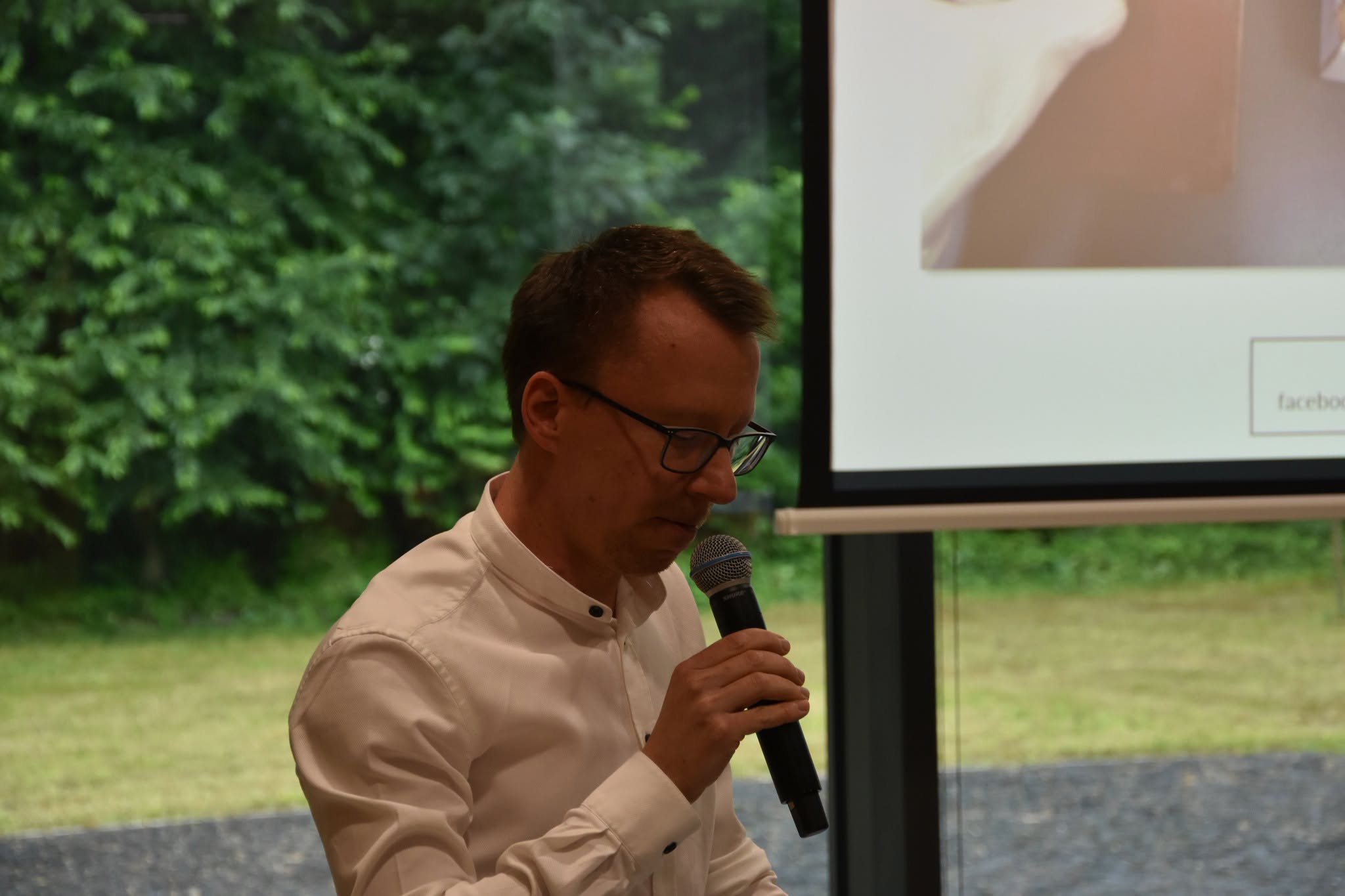
Research presented by Piotr Jędorowicz from the Museum’s Collections and Conservation Department revealed that a small copy of the New Testament, discovered in the attic of a nearby house, had belonged to British prisoners of war held at Stalag VIII B (344) Lamsdorf during the Second World War.
Through archival investigations and international cooperation, the research also highlighted the work of Anglican chaplain Richard Wingfield-Digby, who distributed copies of the Scriptures among British prisoners. Attended by around 60 participants, the meeting demonstrated how a single object can preserve personal stories and help recover forgotten chapters of European history.
History, Literature and Photography at the Opole Book Festival
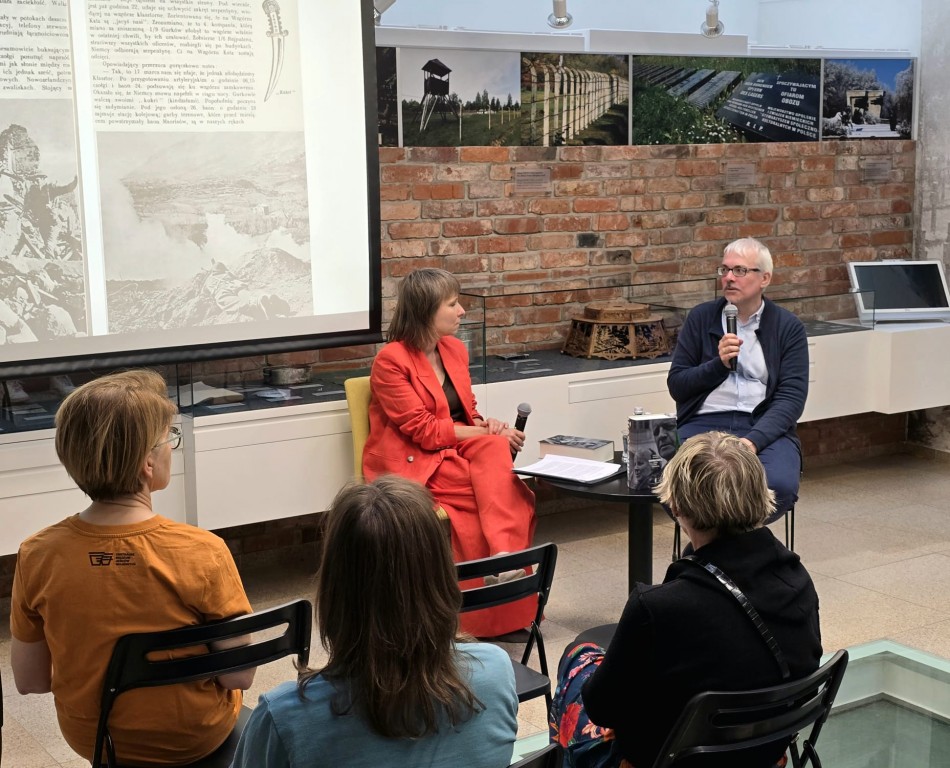
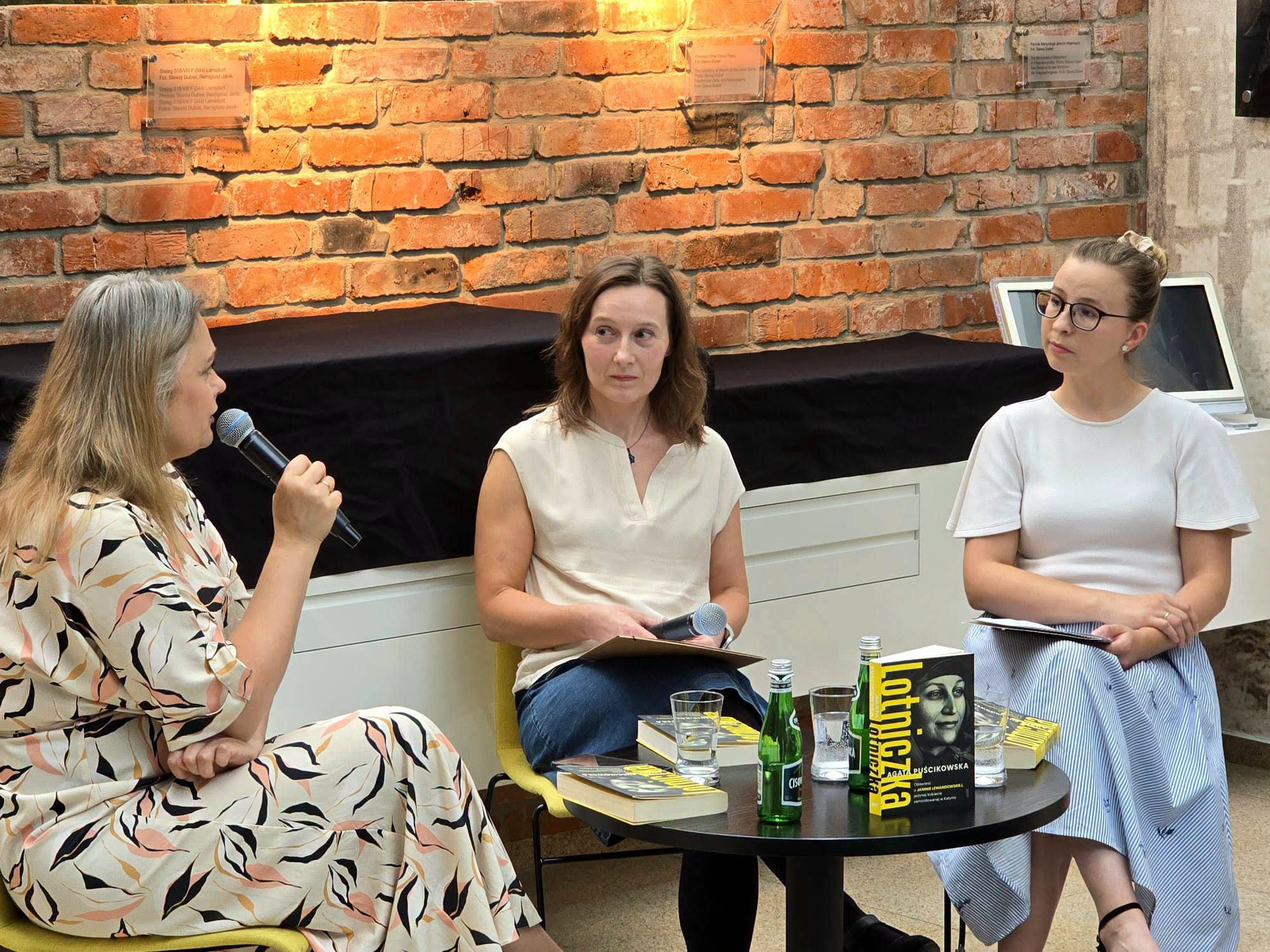
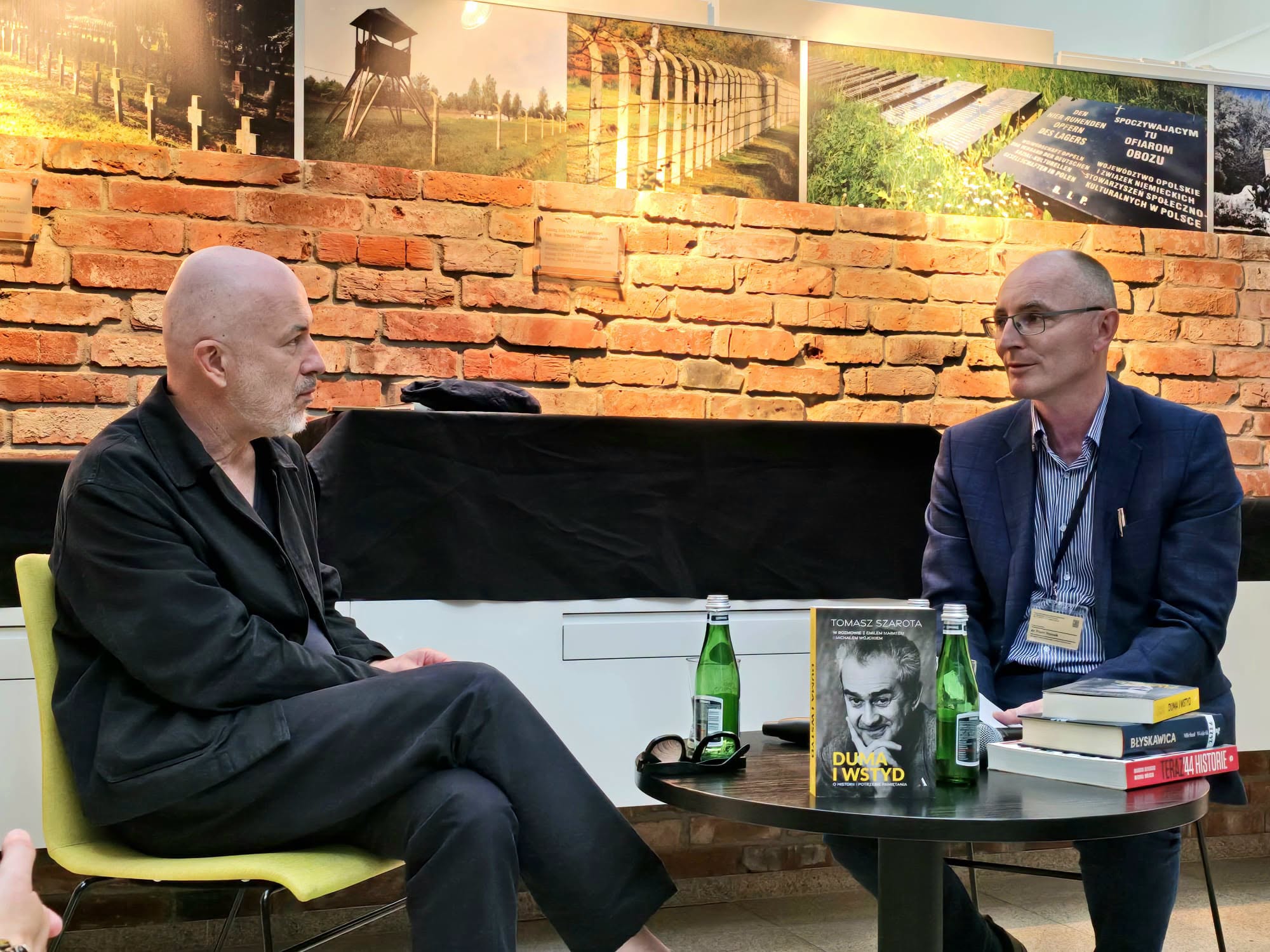
From 12 to 14 June, the Central Museum of Prisoners of War participated in the Opole Book Festival, welcoming approximately 1,200 visitors over three days of exhibitions, author talks, workshops, and public discussions.
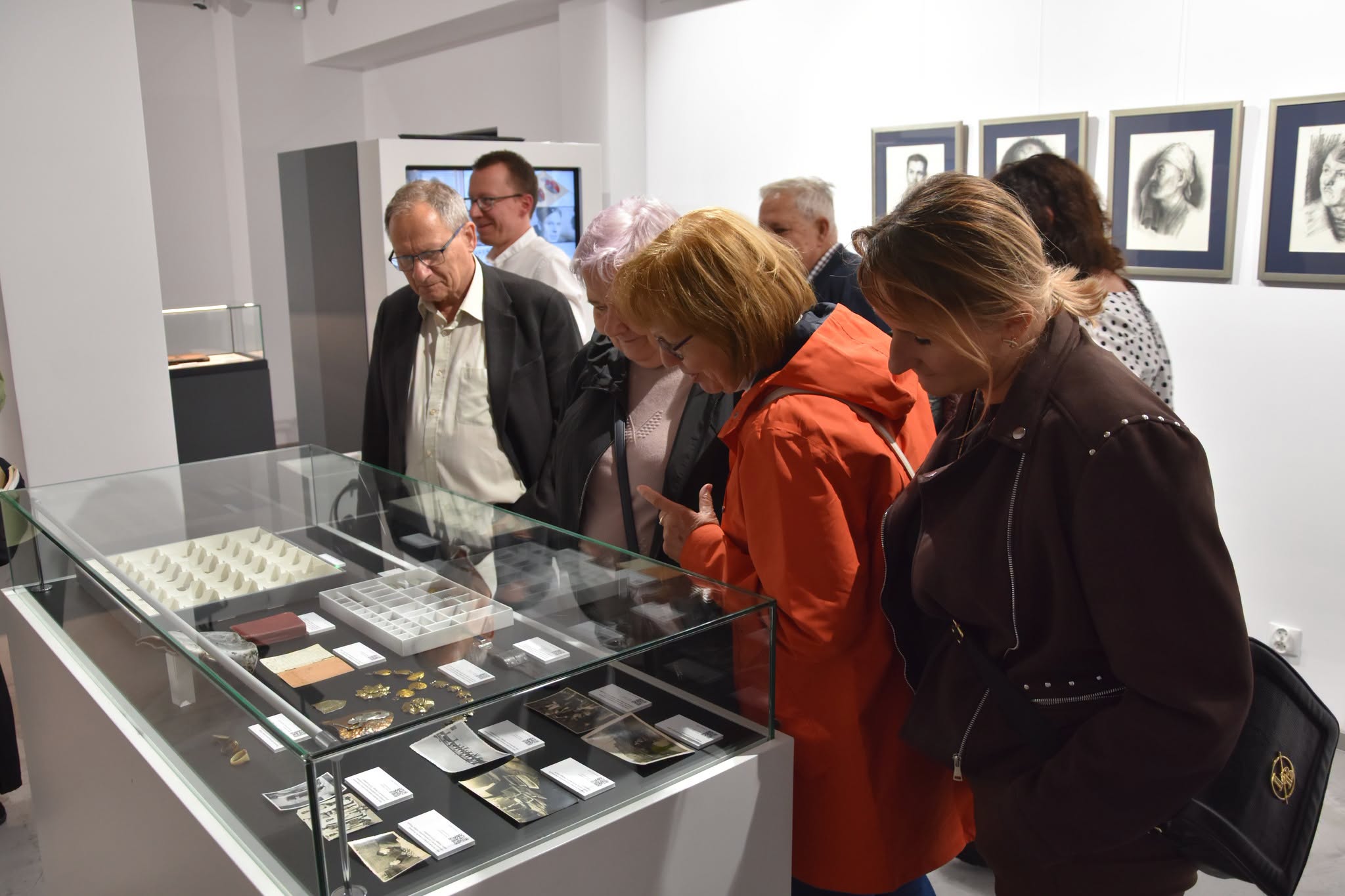
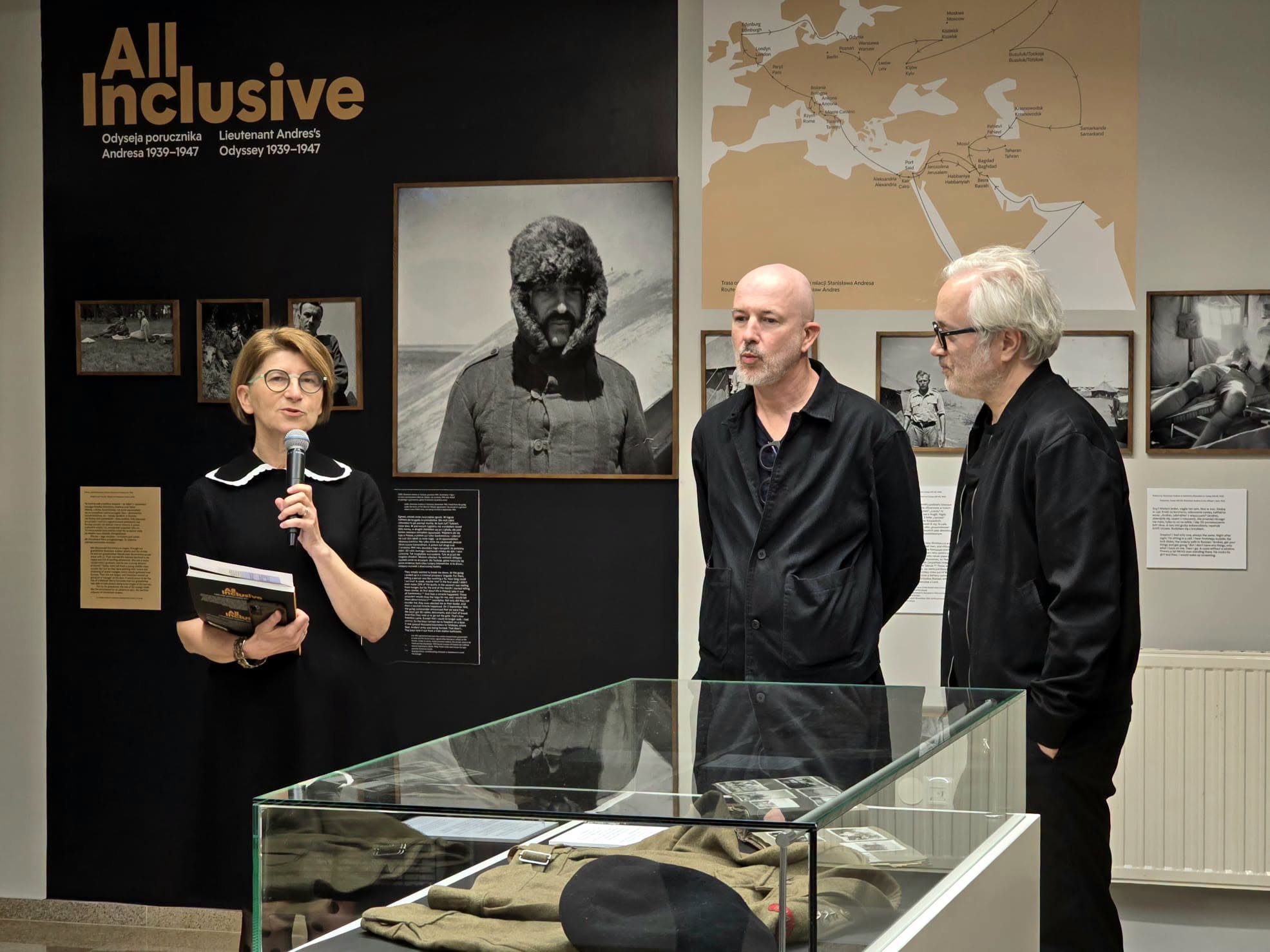
The Museum opened the festival with the exhibition “All Inclusive: Lieutenant Andres’s Odyssey 1939–1947”, showcasing unique photographs taken by Lieutenant Stanisław Andres of the Polish II Corps. Visitors also met acclaimed authors and historians, including Agata Puścikowska, Michał Wójcik, and Łukasz Garbal, who presented their latest publications exploring war, memory, and biography.
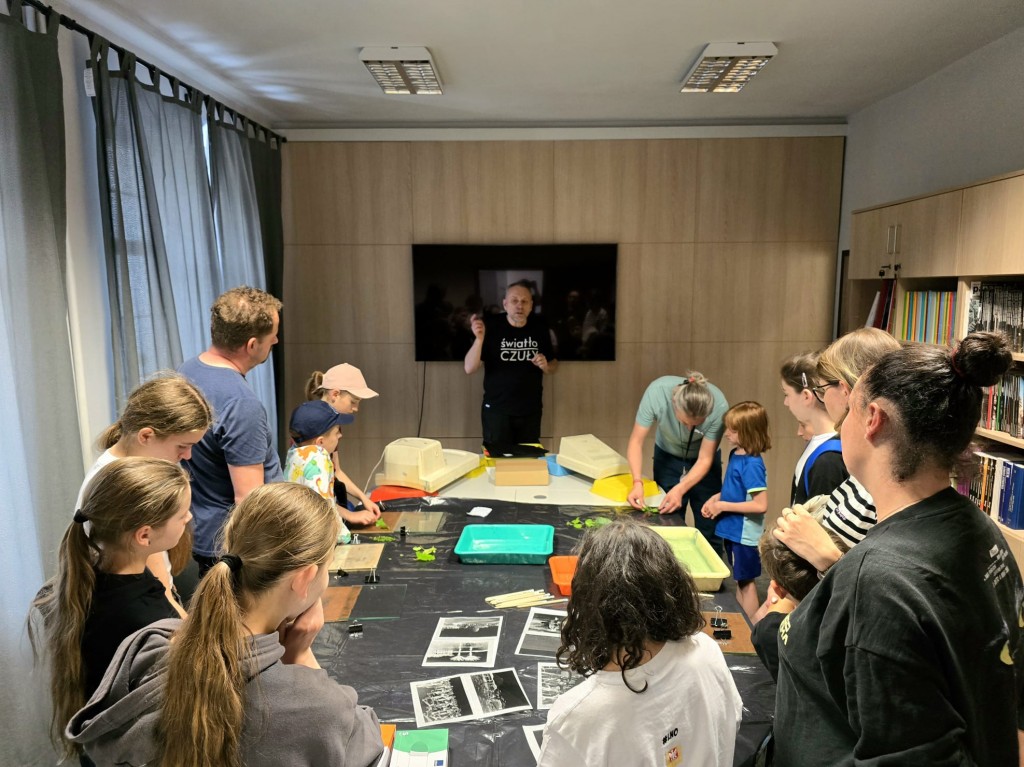
Creative cyanotype workshops introduced participants to one of the earliest photographic techniques, while the Museum’s stand offered visitors the opportunity to engage directly with staff, discover museum publications, and explore the stories preserved by the institution.
Together, these initiatives demonstrate the Central Museum of Prisoners of War’s commitment to making history accessible, relevant, and engaging. Whether through innovative educational approaches, meticulous historical research, or public cultural events, the Museum continues to create meaningful opportunities for people of all generations to connect with Europe’s shared heritage.