Searching for the missing: archaeology, science and remembrance at Łambinowice
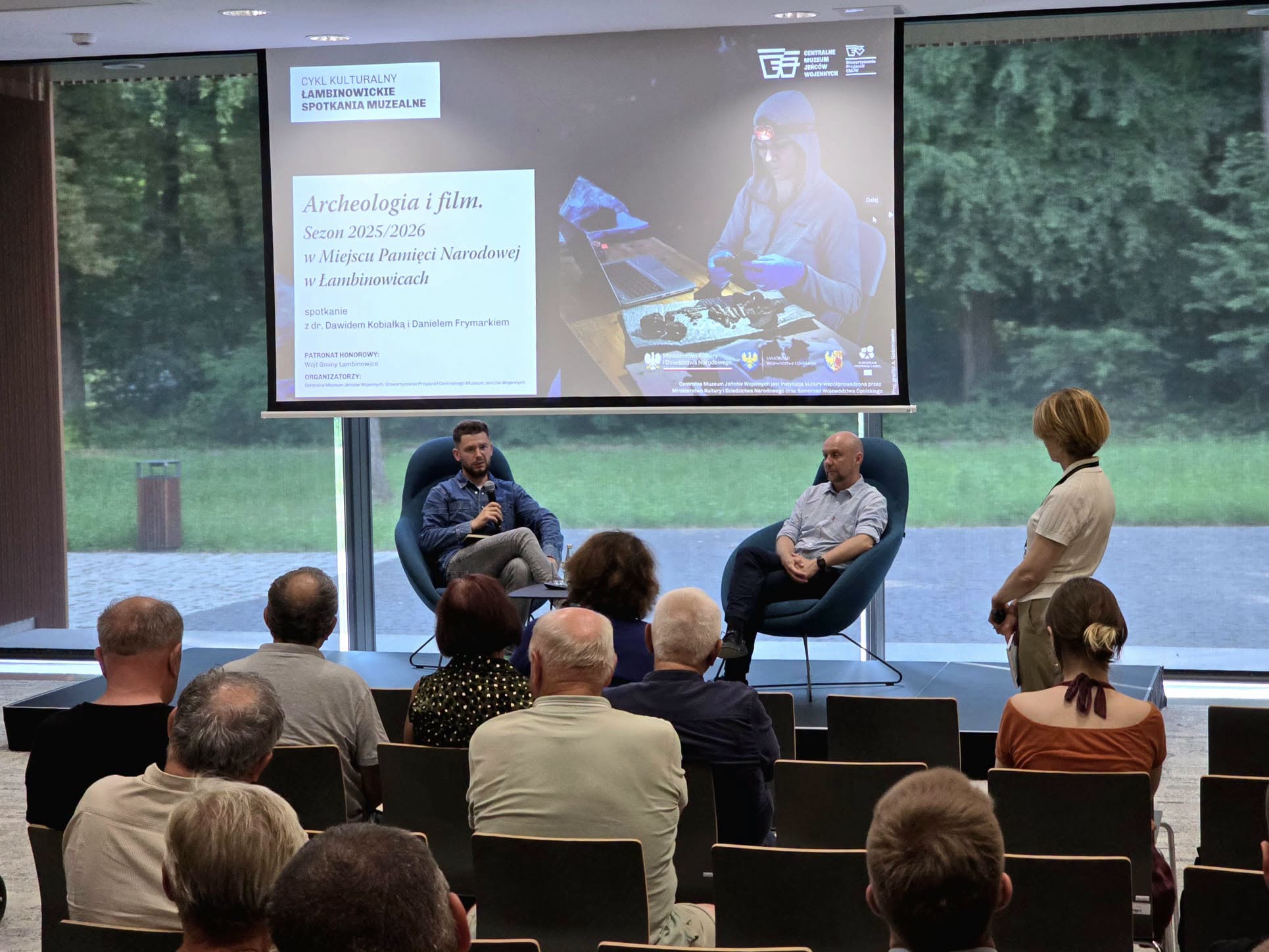
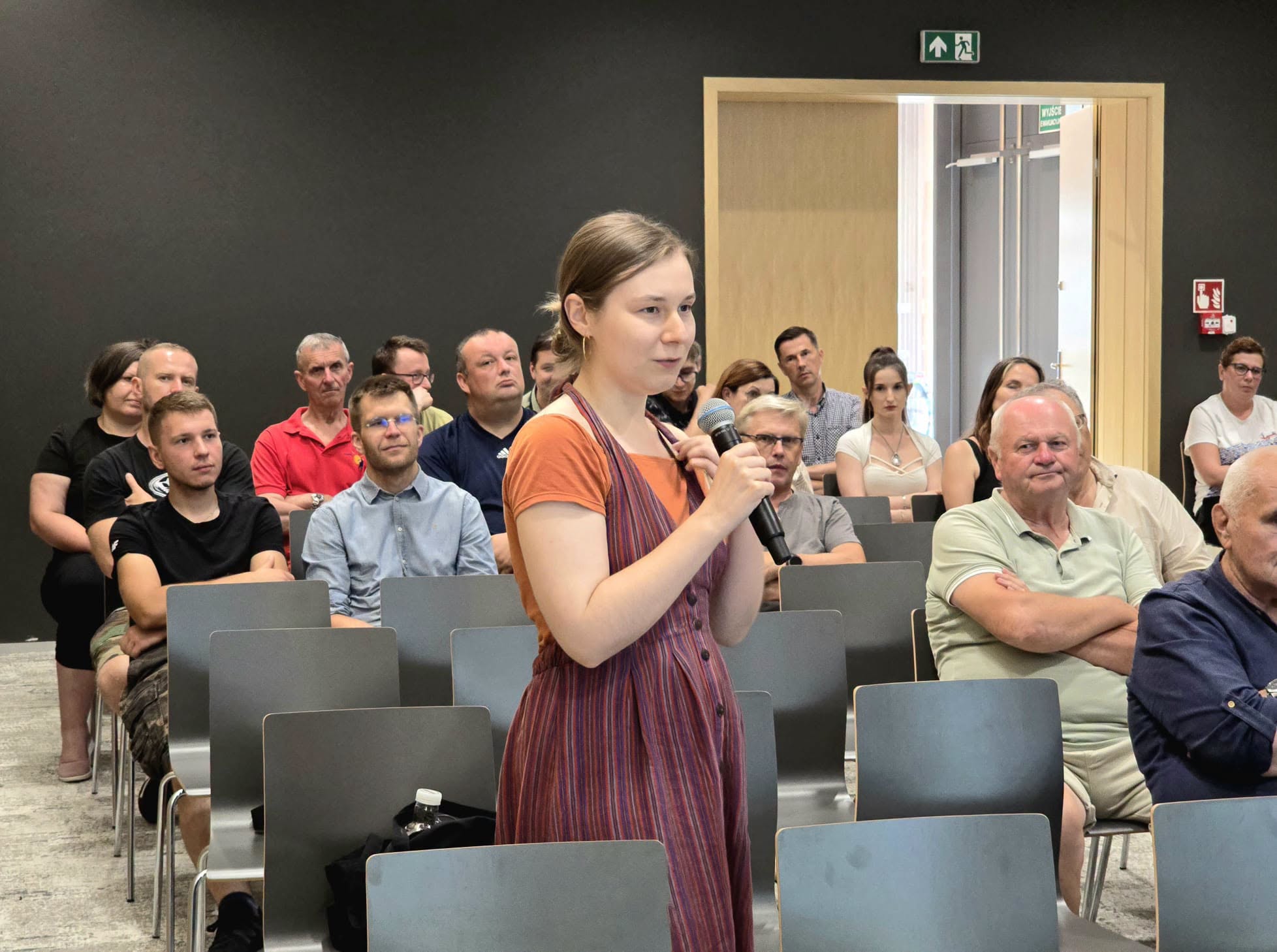
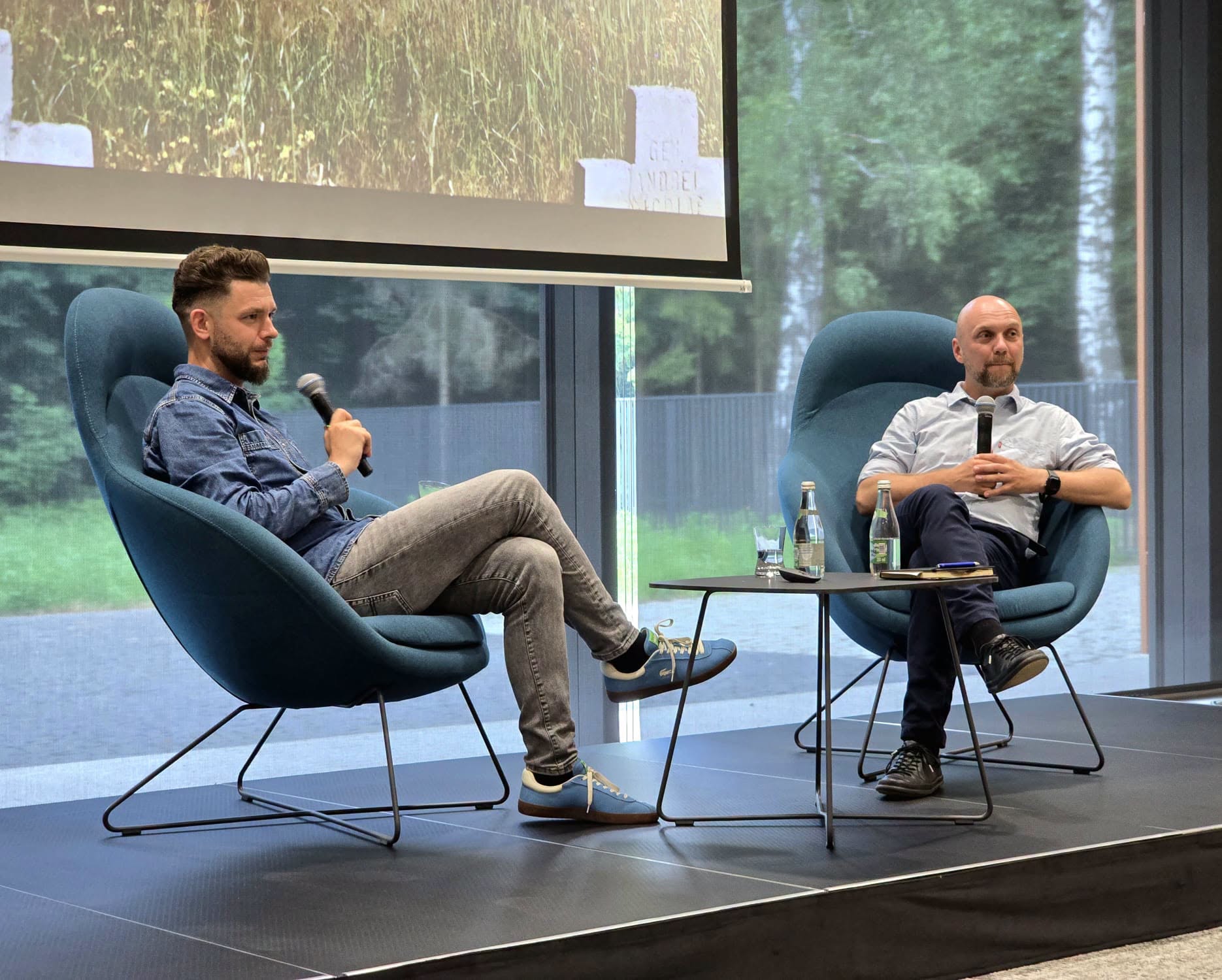
At the Łambinowice National Memorial Site, archaeology is not simply about uncovering the past. It is about restoring identities, preserving memory, and giving a voice to those whose stories remain unfinished. This year’s Łambinowice Museum Meetings, held as part of the 2025–2026 season, brought together archaeologists, historians, anthropologists, forensic specialists, photographers and the public to explore how science can help recover Europe’s shared history.
For more than fifty years, the landscape of Łambinowice was home to successive prisoner-of-war and displacement camps. During the Second World War alone, around 300,000 prisoners of war passed through the Lamsdorf camp complex, including approximately 70,000 Polish soldiers. Many never returned home, and for some, even their final resting place remains unknown.
These unanswered questions are at the heart of the research project Forest of the Dead? Searching for Prisoners of War Graves at the Łambinowice National Memorial Site. Combining archival research, non-invasive survey methods and archaeological excavations, the project seeks to locate unmarked graves and restore identities lost to history.
The first museum meeting introduced the project and highlighted how archaeology extends beyond excavation. Documentary photographer Daniel Frymark demonstrated how photography not only records archaeological work but also captures the relationship between people, landscapes and remembrance, becoming a valuable source for both archaeological and ethnographic research. Throughout the excavation season, visitors are invited to follow the research through public lectures, documentary films, online reports and open days at the excavation site.
The second meeting explored what happens when human remains are discovered. Bringing together archaeology, anthropology, forensic medicine and history, researchers explained how each discipline contributes to identifying unknown prisoners of war. Even the smallest traces preserved in human remains can reveal fragments of individual lives, helping restore names and personal histories that have remained unknown for decades.