Union without uniformity: Lublin’s lesson for Europe



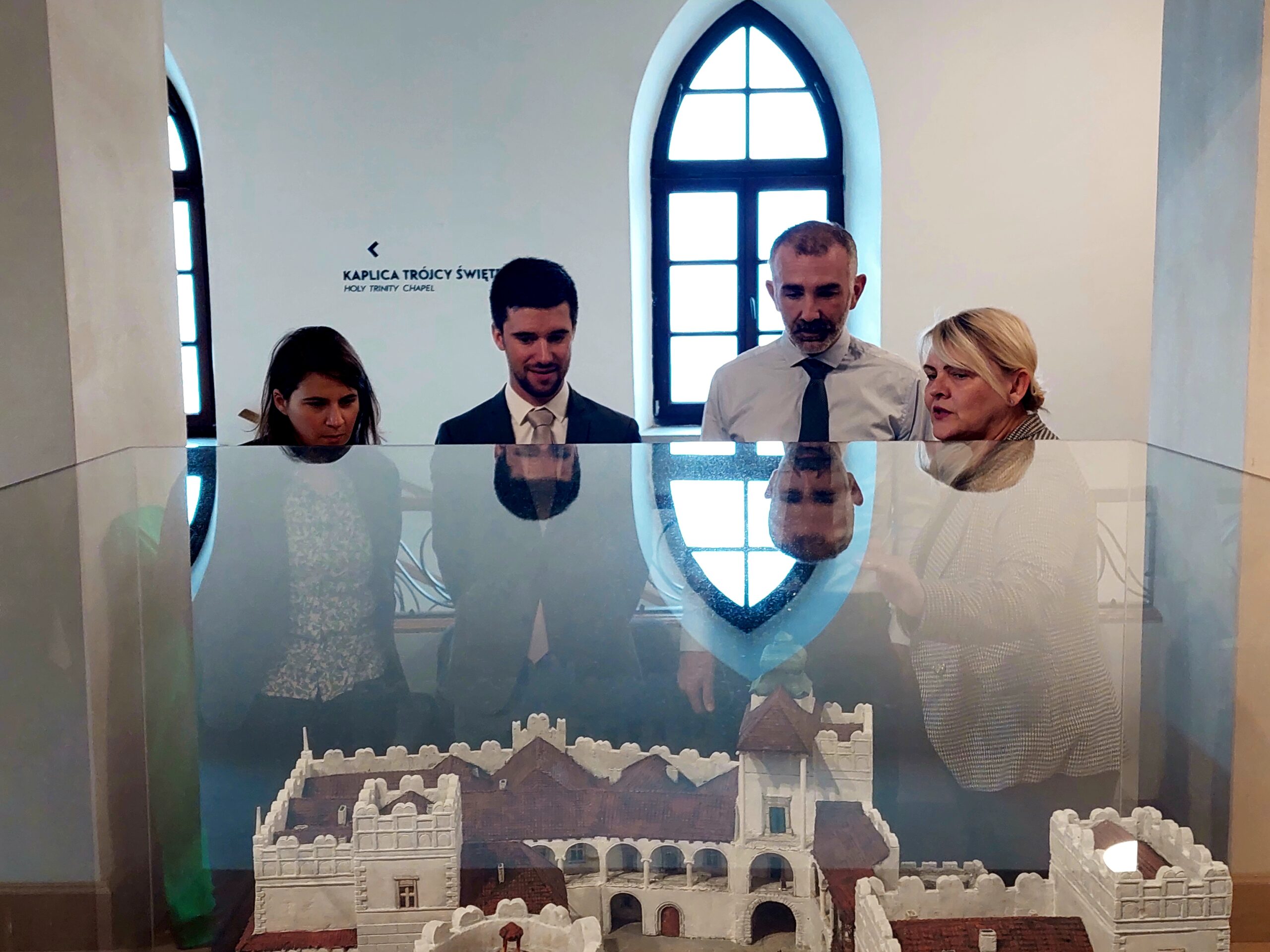
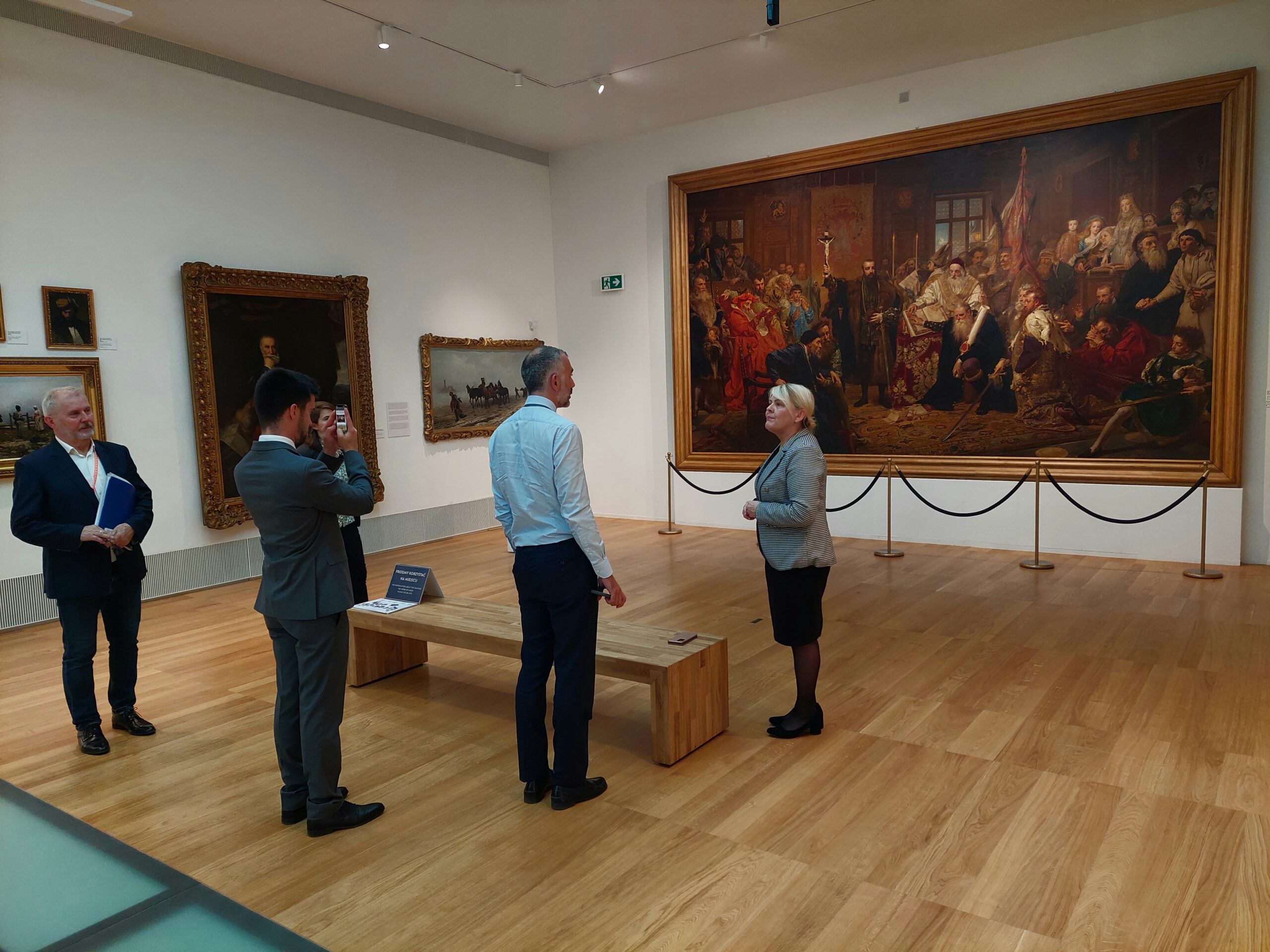
When the Union of Lublin was signed in 1569, it did not erase borders, identities or differences. Instead, it created a shared political framework between distinct communities with their own languages, traditions and interests. It was an early attempt to organise coexistence not by enforcing sameness but by negotiating responsibility.
Lublin’s history highlights Europe not as a finished project but as a relationship shaped through dialogue, compromise and ongoing effort. Migration, mobility and cultural exchange have created societies where multiple backgrounds live side by side, often with different memories, loyalties and expectations. Unity in this context cannot mean uniformity. It requires space for difference and structures that allow people to work together without demanding they become the same.
The Union of Lublin reminds us that cooperation has never been simple. It involves tension, disagreement and moments of uncertainty. Yet history shows that avoiding these moments weakens shared structures more than disagreement ever could. Silence, withdrawal and disengagement are far more damaging than open debate.
Lublin does not ask us to agree.
It asks us to remain engaged.
The lesson it offers is neither nostalgic nor idealistic. It is practical and timely: shared futures depend on the willingness to stay at the table, to listen across differences and to accept that cooperation is a continuous process rather than a final state.
Europe exists wherever that commitment is chosen but what role does each of us play in keeping the conversation alive today?